Compare commits
23 Commits
v0.20-rc.2
...
v0.20-alph
| Author | SHA1 | Date | |
|---|---|---|---|

|
cda7858fb9 | ||
|
|
a01d199890 | ||
|
|
63a792b29d | ||
|
|
360eb02909 | ||
|
|
688b4e3acb | ||
|
|
8042669ade | ||
|
|
6b9d90d3d7 | ||
|
|
4f110d4eaa | ||
|
|
f7eda0be97 | ||
|
|
1da2f76758 | ||
|
|
60a77a35a5 | ||
|
|
0ffde38b8b | ||
|
|
99632bf554 | ||
|
|
d44a80b357 | ||
|
|
77189b5f5f | ||
|
|
b37a32d4dc | ||
|
|
b359414377 | ||
|
|
6d4dd6956f | ||
|
|
cb26f0933e | ||
|
|
d944f57ebb | ||
|
|
ad430284de | ||
|
|
b5cf47fdb5 | ||
|
|
99f24abf8d |
29
.travis.yml
@@ -1,5 +1,4 @@
|
||||
os: linux
|
||||
dist: xenial
|
||||
sudo: required
|
||||
language: generic
|
||||
services:
|
||||
- docker
|
||||
@@ -44,7 +43,7 @@ jobs:
|
||||
- cd images && zip ${IMAGE_NAME}.zip ${IMAGE_NAME}
|
||||
deploy:
|
||||
provider: releases
|
||||
token: ${GITHUB_OAUTH_TOKEN}
|
||||
api_key: ${GITHUB_OAUTH_TOKEN}
|
||||
file: ${IMAGE_NAME}.zip
|
||||
skip_cleanup: true
|
||||
on:
|
||||
@@ -83,18 +82,18 @@ jobs:
|
||||
- ./check_unused_assets.py
|
||||
- gitbook install
|
||||
- gitbook build
|
||||
# deploy:
|
||||
# provider: pages
|
||||
# local_dir: _book
|
||||
# skip_cleanup: true
|
||||
# token: ${GITHUB_OAUTH_TOKEN}
|
||||
# keep_history: true
|
||||
# target_branch: master
|
||||
# repo: CopterExpress/clover.coex.tech
|
||||
# fqdn: clover.coex.tech
|
||||
# verbose: true
|
||||
# on:
|
||||
# branch: master
|
||||
deploy:
|
||||
provider: pages
|
||||
local-dir: _book
|
||||
skip-cleanup: true
|
||||
github-token: ${GITHUB_OAUTH_TOKEN}
|
||||
keep-history: true
|
||||
target-branch: master
|
||||
repo: CopterExpress/clever.coex.tech
|
||||
fqdn: clever.coex.tech
|
||||
verbose: true
|
||||
on:
|
||||
branch: master
|
||||
- stage: Annotate
|
||||
name: Auto-generate changelog
|
||||
language: python
|
||||
|
||||
105
README.md
@@ -1,40 +1,103 @@
|
||||
# COEX Clover Drone Kit
|
||||
# CLEVER
|
||||
|
||||
<img src="docs/assets/clever4-front-white.png" align="right" width="400px" alt="Clover Drone">
|
||||
<img src="docs/assets/clever4-front-white.png" align="right" width="400px" alt="CLEVER drone">
|
||||
|
||||
Clover is an educational programmable drone kit consisting of an unassembled quadcopter, open source software and documentation. The kit includes Pixracer-compatible autopilot running PX4 firmware, Raspberry Pi 4 as companion computer, a camera for computer vision navigation as well as additional sensors and peripheral devices.
|
||||
CLEVER (Russian: *"Клевер"*, meaning *"Clover"*) is an educational programmable drone kit consisting of an unassembled quadcopter, open source software and documentation. The kit includes Pixhawk/Pixracer autopilot running PX4 firmware, Raspberry Pi 3 as companion computer, a camera for computer vision navigation as well as additional sensors and peripheral devices.
|
||||
|
||||
The main documentation is available [on Gitbook](https://clover.coex.tech/).
|
||||
Copter Express has implemented a large number of different autonomous drone projects using exactly the same platform: [automated pizza delivery](https://www.youtube.com/watch?v=hmkAoZOtF58) in Samara and Kazan, coffee delivery in Skolkovo Innovation Center, [autonomous quadcopter with charging station](https://www.youtube.com/watch?v=RjX6nUqw1mI) for site monitoring and security, winning drones on [Robocross-2016](https://www.youtube.com/watch?v=dGbDaz_VmYU) and [Robocross-2017](https://youtu.be/AQnd2CRczbQ) competitions and many others.
|
||||
|
||||
Official website: <a href="https://coex.tech/clover">coex.tech/clover</a>.
|
||||
**The main documentation is available [on Gitbook](https://clever.coex.tech/).**
|
||||
|
||||
## Video compilation
|
||||
|
||||
[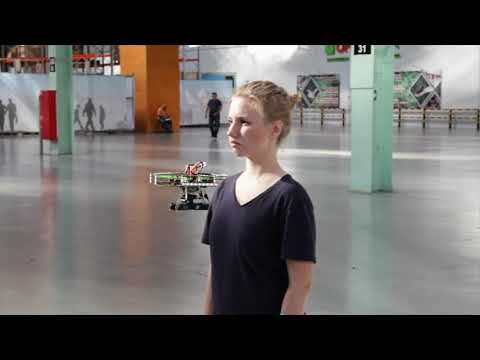](https://youtu.be/u3omgsYC4Fk)
|
||||
|
||||
Clover drone is used on a wide range of educational events, including [Copter Hack](https://www.youtube.com/watch?v=xgXheg3TTs4), WorldSkills Drone Operation competition, [Autonomous Vehicles Track of NTI Olympics 2016–2020](https://www.youtube.com/watch?v=E1_ehvJRKxg), Quadro Hack 2019 (National University of Science and Technology MISiS), Russian Robot Olympiad (autonomous flights), and others.
|
||||
Use it to learn how to assemble, configure, pilot and program autonomous CLEVER drone.
|
||||
|
||||
## Raspberry Pi image
|
||||
|
||||
Preconfigured image for Raspberry Pi with installed and configured software, ready to fly, is available [in the Releases section](https://github.com/CopterExpress/clover/releases).
|
||||
**Preconfigured image for Raspberry Pi 3 with installed and configured software, ready to fly, is available [in the Releases section](https://github.com/CopterExpress/clever/releases).**
|
||||
|
||||
[](https://travis-ci.org/CopterExpress/clover)
|
||||
[](https://travis-ci.org/CopterExpress/clever)
|
||||
|
||||
Image features:
|
||||
Image includes:
|
||||
|
||||
* Raspbian Buster
|
||||
* [ROS Melodic](http://wiki.ros.org/melodic)
|
||||
* ROS Melodic
|
||||
* Configured networking
|
||||
* OpenCV
|
||||
* [`mavros`](http://wiki.ros.org/mavros)
|
||||
* Periphery drivers for ROS ([GPIO](https://clover.coex.tech/en/gpio.html), [LED strip](https://clover.coex.tech/en/leds.html), etc)
|
||||
* `aruco_pose` package for marker-assisted navigation
|
||||
* `clover` package for autonomous drone control
|
||||
* mavros
|
||||
* Periphery drivers (`pigpiod`, `rpi_ws281x`, etc)
|
||||
* CLEVER software bundle for autonomous drone control
|
||||
|
||||
API description for autonomous flights is available [on GitBook](https://clover.coex.tech/en/simple_offboard.html).
|
||||
API description (in Russian) for autonomous flights is available [on GitBook](https://clever.coex.tech/simple_offboard.html).
|
||||
|
||||
For manual package installation and running see [`clover` package documentation](clover/README.md).
|
||||
## Manual installation
|
||||
|
||||
Install ROS Melodic according to the [documentation](http://wiki.ros.org/melodic/Installation), then [create a Catkin workspace](http://wiki.ros.org/catkin/Tutorials/create_a_workspace).
|
||||
|
||||
Clone this repo to directory `~/catkin_ws/src/clever`:
|
||||
|
||||
```bash
|
||||
cd ~/catkin_ws/src
|
||||
git clone https://github.com/CopterExpress/clever.git clever
|
||||
```
|
||||
|
||||
All the required ROS packages (including `mavros` and `opencv`) can be installed using `rosdep`:
|
||||
|
||||
```bash
|
||||
cd ~/catkin_ws/
|
||||
rosdep install -y --from-paths src --ignore-src
|
||||
```
|
||||
|
||||
Build ROS packages (on memory constrained platforms you might be going to need to use `-j1` key):
|
||||
|
||||
```bash
|
||||
cd ~/catkin_ws
|
||||
catkin_make -j1
|
||||
```
|
||||
|
||||
To complete `mavros` install you'll need to install `geographiclib` datasets:
|
||||
|
||||
```bash
|
||||
curl https://raw.githubusercontent.com/mavlink/mavros/master/mavros/scripts/install_geographiclib_datasets.sh | sudo bash
|
||||
```
|
||||
|
||||
You may optionally install udev rules to provide `/dev/px4fmu` symlink to your PX4-based flight controller connected over USB. Copy `99-px4fmu.rules` to your `/lib/udev/rules.d` folder:
|
||||
|
||||
```bash
|
||||
cd ~/catkin_ws/src/clever/clever/config
|
||||
sudo cp 99-px4fmu.rules /lib/udev/rules.d
|
||||
```
|
||||
|
||||
Alternatively you may change the `fcu_url` property in `mavros.launch` file to point to your flight controller device.
|
||||
|
||||
## Running
|
||||
|
||||
Enable systemd service `roscore` (if not running):
|
||||
|
||||
```bash
|
||||
sudo systemctl enable /home/<username>/catkin_ws/src/clever/builder/assets/roscore.service
|
||||
sudo systemctl start roscore
|
||||
```
|
||||
|
||||
To start connection to SITL, use:
|
||||
|
||||
```bash
|
||||
roslaunch clever sitl.launch
|
||||
```
|
||||
|
||||
To start connection to the flight controller, use:
|
||||
|
||||
```bash
|
||||
roslaunch clever clever.launch
|
||||
```
|
||||
|
||||
> Note that the package is configured to connect to `/dev/px4fmu` by default (see [previous section](#manual-installation)). Install udev rules or specify path to your FCU device in `mavros.launch`.
|
||||
|
||||
Also, you can enable and start the systemd service:
|
||||
|
||||
```bash
|
||||
sudo systemctl enable /home/<username>/catkin_ws/src/clever/deploy/clever.service
|
||||
sudo systemctl start clever
|
||||
```
|
||||
|
||||
## License
|
||||
|
||||
While the Clover platform source code is available under the MIT License, note, that the [documentation](docs/) is licensed under the Creative Commons Attribution-NonCommercial-ShareAlike 4.0 International License.
|
||||
While the Clever platform source code is available under the MIT License, note, that the [documentation](docs/) is licensed under the Creative Commons Attribution-NonCommercial-ShareAlike 4.0 International License.
|
||||
|
||||
@@ -394,7 +394,7 @@ publish_debug:
|
||||
int num_markers = board_->dictionary->bytesList.rows;
|
||||
if (num_markers <= id) {
|
||||
NODELET_ERROR("Marker id %d is not in dictionary; current dictionary contains %d markers. "
|
||||
"Please see https://github.com/CopterExpress/clover/blob/master/aruco_pose/README.md#parameters for details",
|
||||
"Please see https://github.com/CopterExpress/clever/blob/master/aruco_pose/README.md#parameters for details",
|
||||
id, num_markers);
|
||||
return;
|
||||
}
|
||||
|
||||
@@ -1,4 +1,4 @@
|
||||
#!/usr/bin/env python
|
||||
#!/usr/bin/env python3
|
||||
|
||||
# Copyright (C) 2018 Copter Express Technologies
|
||||
#
|
||||
|
||||
@@ -1,26 +1,19 @@
|
||||
#!/usr/bin/env python
|
||||
import sys
|
||||
import unittest
|
||||
import json
|
||||
import rospy
|
||||
import rostest
|
||||
import pytest
|
||||
|
||||
from sensor_msgs.msg import Image
|
||||
from visualization_msgs.msg import MarkerArray as VisMarkerArray
|
||||
|
||||
@pytest.fixture
|
||||
def node():
|
||||
return rospy.init_node('test_aruco_largemap', anonymous=True)
|
||||
|
||||
class TestArucoPose(unittest.TestCase):
|
||||
def setUp(self):
|
||||
rospy.init_node('test_aruco_largemap', anonymous=True)
|
||||
def test_large_map_image(node):
|
||||
img = rospy.wait_for_message('aruco_map/image', Image, timeout=5)
|
||||
assert img.width == 2000
|
||||
assert img.height == 2000
|
||||
assert img.encoding in ('mono8', 'rgb8')
|
||||
|
||||
def test_map_image(self):
|
||||
img = rospy.wait_for_message('aruco_map/image', Image, timeout=5)
|
||||
self.assertEqual(img.width, 2000)
|
||||
self.assertEqual(img.height, 2000)
|
||||
self.assertIn(img.encoding, ('mono8', 'rgb8'))
|
||||
|
||||
def test_map_visualization(self):
|
||||
vis = rospy.wait_for_message('aruco_map/visualization', VisMarkerArray, timeout=5)
|
||||
|
||||
|
||||
rostest.rosrun('aruco_pose', 'test_aruco_largemap', TestArucoPose, sys.argv)
|
||||
def test_large_map_visualization(node):
|
||||
vis = rospy.wait_for_message('aruco_map/visualization', VisMarkerArray, timeout=5)
|
||||
assert len(vis.markers) == 11
|
||||
|
||||
@@ -9,5 +9,6 @@
|
||||
<param name="map" value="$(find aruco_pose)/test/largemap.txt"/>
|
||||
</node>
|
||||
|
||||
<test test-name="test_aruco_pose_largemap" pkg="aruco_pose" type="largemap.py"/>
|
||||
<param name="test_module" value="$(find aruco_pose)/test/largemap.py"/>
|
||||
<test test-name="test_node_pass" pkg="ros_pytest" type="ros_pytest_runner"/>
|
||||
</launch>
|
||||
|
||||
12
book.json
@@ -1,5 +1,5 @@
|
||||
{
|
||||
"title": "Clover",
|
||||
"title": "Clever",
|
||||
"description": "Конструктор квадрокоптера «Клевер»",
|
||||
"author": "Copter Express",
|
||||
"language": "en",
|
||||
@@ -28,7 +28,7 @@
|
||||
"blank": true
|
||||
},
|
||||
"sitemap": {
|
||||
"hostname": "https://clover.coex.tech"
|
||||
"hostname": "https://clever.coex.tech"
|
||||
},
|
||||
"toolbar": {
|
||||
"buttons":
|
||||
@@ -37,19 +37,19 @@
|
||||
"label": "Edit page on github",
|
||||
"icon": "fa fa-pencil-square-o",
|
||||
"position" : "left",
|
||||
"url": "https://github.com/CopterExpress/clover/edit/master/docs/{{filepath_lang}}"
|
||||
"url": "https://github.com/CopterExpress/clever/edit/master/docs/{{filepath_lang}}"
|
||||
},
|
||||
{
|
||||
"label": "GitHub",
|
||||
"icon": "fa fa-github",
|
||||
"position" : "left",
|
||||
"url": "https://github.com/CopterExpress/clover"
|
||||
"url": "https://github.com/CopterExpress/clever"
|
||||
}
|
||||
]
|
||||
},
|
||||
"addcssjs": {
|
||||
"css": ["../clover.css"],
|
||||
"js": ["../clover.js"]
|
||||
"css": ["../clever.css"],
|
||||
"js": ["../clever.js"]
|
||||
},
|
||||
"language-picker": {
|
||||
"languages": [["ru", "Russian"], ["en", "English"]]
|
||||
|
||||
@@ -1,4 +1,4 @@
|
||||
#!/usr/bin/env python
|
||||
#!/usr/bin/env python3
|
||||
|
||||
from distutils.core import setup
|
||||
|
||||
|
||||
@@ -1,4 +1,4 @@
|
||||
# Information: https://clover.coex.tech/programming
|
||||
# Information: https://clever.coex.tech/en/programming.html
|
||||
|
||||
import rospy
|
||||
from clover import srv
|
||||
@@ -15,7 +15,7 @@ set_attitude = rospy.ServiceProxy('set_attitude', srv.SetAttitude)
|
||||
set_rates = rospy.ServiceProxy('set_rates', srv.SetRates)
|
||||
land = rospy.ServiceProxy('land', Trigger)
|
||||
|
||||
# Take off and hover 1 m above the ground
|
||||
# Takeoff and hover 1 m above the ground
|
||||
navigate(x=0, y=0, z=1, frame_id='body', auto_arm=True)
|
||||
|
||||
# Wait for 3 seconds
|
||||
|
||||
@@ -1,37 +0,0 @@
|
||||
# Information: https://clover.coex.tech/en/aruco.html
|
||||
|
||||
import rospy
|
||||
from clover import srv
|
||||
from std_srvs.srv import Trigger
|
||||
|
||||
rospy.init_node('flight')
|
||||
|
||||
get_telemetry = rospy.ServiceProxy('get_telemetry', srv.GetTelemetry)
|
||||
navigate = rospy.ServiceProxy('navigate', srv.Navigate)
|
||||
navigate_global = rospy.ServiceProxy('navigate_global', srv.NavigateGlobal)
|
||||
set_position = rospy.ServiceProxy('set_position', srv.SetPosition)
|
||||
set_velocity = rospy.ServiceProxy('set_velocity', srv.SetVelocity)
|
||||
set_attitude = rospy.ServiceProxy('set_attitude', srv.SetAttitude)
|
||||
set_rates = rospy.ServiceProxy('set_rates', srv.SetRates)
|
||||
land = rospy.ServiceProxy('land', Trigger)
|
||||
|
||||
# Take off and hover 1 m above the ground
|
||||
navigate(x=0, y=0, z=1, frame_id='body', auto_arm=True)
|
||||
|
||||
# Wait for 3 seconds
|
||||
rospy.sleep(3)
|
||||
|
||||
# Fly 1 meter above ArUco marker 0
|
||||
navigate(x=0, y=0, z=1, frame_id='aruco_0')
|
||||
|
||||
# Wait for 3 seconds
|
||||
rospy.sleep(3)
|
||||
|
||||
# Fly to x=1 y=1 z=1 relative to ArUco markers map
|
||||
navigate(x=1, y=1, z=1, frame_id='aruco_map')
|
||||
|
||||
# Wait for 3 seconds
|
||||
rospy.sleep(3)
|
||||
|
||||
# Perform landing
|
||||
land()
|
||||
@@ -1,4 +1,4 @@
|
||||
# Information: https://clover.coex.tech/en/leds.html
|
||||
# Information: https://clever.coex.tech/en/leds.html
|
||||
|
||||
import rospy
|
||||
from clover.srv import SetLEDEffect
|
||||
|
||||
@@ -1,41 +0,0 @@
|
||||
# Information: https://clover.coex.tech/en/snippets.html#block-nav
|
||||
|
||||
import math
|
||||
import rospy
|
||||
from clover import srv
|
||||
from std_srvs.srv import Trigger
|
||||
|
||||
rospy.init_node('flight')
|
||||
|
||||
get_telemetry = rospy.ServiceProxy('get_telemetry', srv.GetTelemetry)
|
||||
navigate = rospy.ServiceProxy('navigate', srv.Navigate)
|
||||
navigate_global = rospy.ServiceProxy('navigate_global', srv.NavigateGlobal)
|
||||
set_position = rospy.ServiceProxy('set_position', srv.SetPosition)
|
||||
set_velocity = rospy.ServiceProxy('set_velocity', srv.SetVelocity)
|
||||
set_attitude = rospy.ServiceProxy('set_attitude', srv.SetAttitude)
|
||||
set_rates = rospy.ServiceProxy('set_rates', srv.SetRates)
|
||||
land = rospy.ServiceProxy('land', Trigger)
|
||||
|
||||
def navigate_wait(x=0, y=0, z=0, yaw=float('nan'), yaw_rate=0, speed=0.5, \
|
||||
frame_id='body', tolerance=0.2, auto_arm=False):
|
||||
|
||||
res = navigate(x=x, y=y, z=z, yaw=yaw, yaw_rate=yaw_rate, speed=speed, \
|
||||
frame_id=frame_id, auto_arm=auto_arm)
|
||||
|
||||
if not res.success:
|
||||
return res
|
||||
|
||||
while not rospy.is_shutdown():
|
||||
telem = get_telemetry(frame_id='navigate_target')
|
||||
if math.sqrt(telem.x ** 2 + telem.y ** 2 + telem.z ** 2) < tolerance:
|
||||
return res
|
||||
rospy.sleep(0.2)
|
||||
|
||||
# Take off 1 meter
|
||||
navigate_wait(z=1, frame_id='body', auto_arm=True)
|
||||
|
||||
# Fly forward 1 m
|
||||
navigate_wait(x=1, frame_id='body')
|
||||
|
||||
# Land
|
||||
land()
|
||||
@@ -62,10 +62,6 @@ hostnamectl set-hostname $NEW_HOSTNAME
|
||||
sed -i 's/127\.0\.1\.1.*/127.0.1.1\t'${NEW_HOSTNAME}' '${NEW_HOSTNAME}'.local/g' /etc/hosts
|
||||
# .local (mdns) hostname added to make it accesable when wlan and ethernet interfaces are down
|
||||
|
||||
echo_stamp "Enable ROS services"
|
||||
systemctl enable roscore
|
||||
systemctl enable clover
|
||||
|
||||
echo_stamp "Harware setup"
|
||||
/root/hardware_setup.sh
|
||||
|
||||
|
||||
9
builder/assets/python3.yaml
Normal file
@@ -0,0 +1,9 @@
|
||||
python3-wxgtk:
|
||||
debian:
|
||||
buster: [python3-wxgtk4.0]
|
||||
python3-serial:
|
||||
debian:
|
||||
buster: [python3-serial]
|
||||
python3-requests:
|
||||
debian:
|
||||
buster: [python3-requests]
|
||||
@@ -115,6 +115,7 @@ ${BUILDER_DIR}/image-chroot.sh ${IMAGE_PATH} exec ${SCRIPTS_DIR}'/image-network.
|
||||
${BUILDER_DIR}/image-chroot.sh ${IMAGE_PATH} copy ${SCRIPTS_DIR}'/assets/clover.service' '/lib/systemd/system/'
|
||||
${BUILDER_DIR}/image-chroot.sh ${IMAGE_PATH} copy ${SCRIPTS_DIR}'/assets/roscore.service' '/lib/systemd/system/'
|
||||
${BUILDER_DIR}/image-chroot.sh ${IMAGE_PATH} copy ${SCRIPTS_DIR}'/assets/melodic-rosdep-clover.yaml' '/etc/ros/rosdep/'
|
||||
${BUILDER_DIR}/image-chroot.sh ${IMAGE_PATH} copy ${SCRIPTS_DIR}'/assets/python3.yaml' '/etc/ros/rosdep/'
|
||||
${BUILDER_DIR}/image-chroot.sh ${IMAGE_PATH} copy ${SCRIPTS_DIR}'/assets/ros_python_paths' '/etc/sudoers.d/'
|
||||
${BUILDER_DIR}/image-chroot.sh ${IMAGE_PATH} copy ${SCRIPTS_DIR}'/assets/pigpiod.service' '/lib/systemd/system/'
|
||||
${BUILDER_DIR}/image-chroot.sh ${IMAGE_PATH} copy ${SCRIPTS_DIR}'/assets/launch.nanorc' '/usr/share/nano/'
|
||||
|
||||
@@ -68,7 +68,8 @@ my_travis_retry() {
|
||||
# TODO: 'kinetic-rosdep-clover.yaml' should add only if we use our repo?
|
||||
echo_stamp "Init rosdep"
|
||||
my_travis_retry rosdep init
|
||||
echo "yaml file:///etc/ros/rosdep/melodic-rosdep-clover.yaml" >> /etc/ros/rosdep/sources.list.d/20-default.list
|
||||
echo "yaml file:///etc/ros/rosdep/melodic-rosdep-clover.yaml" > /etc/ros/rosdep/sources.list.d/30-clover.list
|
||||
echo "yaml file:///etc/ros/rosdep/python3.yaml" > /etc/ros/rosdep/sources.list.d/40-python3.list
|
||||
my_travis_retry rosdep update
|
||||
|
||||
echo_stamp "Populate rosdep for ROS user"
|
||||
@@ -87,6 +88,7 @@ resolve_rosdep() {
|
||||
}
|
||||
|
||||
export ROS_IP='127.0.0.1' # needed for running tests
|
||||
export ROS_PYTHON_VERSION=3
|
||||
|
||||
echo_stamp "Reconfiguring Clover repository for simplier unshallowing"
|
||||
cd /home/pi/catkin_ws/src/clover
|
||||
@@ -95,11 +97,15 @@ git config remote.origin.fetch "+refs/heads/*:refs/remotes/origin/*"
|
||||
echo_stamp "Build and install Clover"
|
||||
cd /home/pi/catkin_ws
|
||||
resolve_rosdep $(pwd)
|
||||
my_travis_retry pip install wheel
|
||||
my_travis_retry pip install -r /home/pi/catkin_ws/src/clover/clover/requirements.txt
|
||||
my_travis_retry pip3 install wheel
|
||||
my_travis_retry pip3 install -r /home/pi/catkin_ws/src/clover/clover/requirements.txt
|
||||
source /opt/ros/melodic/setup.bash
|
||||
catkin_make -j2 -DCMAKE_BUILD_TYPE=Release
|
||||
|
||||
echo_stamp "Enable ROS services"
|
||||
systemctl enable roscore
|
||||
systemctl enable clover
|
||||
|
||||
echo_stamp "Install clever package (for backwards compatibility)"
|
||||
cd /home/pi/catkin_ws/src/clover/builder/assets/clever
|
||||
./setup.py install
|
||||
@@ -129,7 +135,7 @@ echo_stamp "Install GeographicLib datasets (needed for mavros)" \
|
||||
|
||||
# FIXME: Buster comes with tornado==5.1.1 but we need tornado==4.2.1 for rosbridge_suite
|
||||
# (note that Python 3 will still have a more recent version)
|
||||
pip install tornado==4.2.1
|
||||
pip3 install tornado==4.2.1
|
||||
|
||||
echo_stamp "Running tests"
|
||||
cd /home/pi/catkin_ws
|
||||
|
||||
@@ -67,7 +67,7 @@ apt-get update \
|
||||
|
||||
echo "deb http://packages.ros.org/ros/ubuntu buster main" > /etc/apt/sources.list.d/ros-latest.list
|
||||
echo "deb http://deb.coex.tech/opencv3 buster main" > /etc/apt/sources.list.d/opencv3.list
|
||||
echo "deb http://deb.coex.tech/rpi-ros-melodic buster main" > /etc/apt/sources.list.d/rpi-ros-melodic.list
|
||||
echo "deb http://deb.coex.tech/melodic-py3 buster main" > /etc/apt/sources.list.d/rpi-ros-melodic.list
|
||||
echo "deb http://deb.coex.tech/clover buster main" > /etc/apt/sources.list.d/clover.list
|
||||
|
||||
echo_stamp "Update apt cache"
|
||||
@@ -95,21 +95,21 @@ libjpeg8 \
|
||||
tcpdump \
|
||||
ltrace \
|
||||
libpoco-dev \
|
||||
libzbar0 \
|
||||
python-rosdep \
|
||||
python-rosinstall-generator \
|
||||
python-wstool \
|
||||
python-rosinstall \
|
||||
python3-rosdep \
|
||||
python3-rosinstall-generator \
|
||||
python3-wstool \
|
||||
python3-rosinstall \
|
||||
build-essential \
|
||||
libffi-dev \
|
||||
monkey \
|
||||
pigpio python-pigpio python3-pigpio \
|
||||
i2c-tools \
|
||||
espeak espeak-data python-espeak \
|
||||
espeak espeak-data python3-espeak \
|
||||
ntpdate \
|
||||
python-dev \
|
||||
python3-dev \
|
||||
python-systemd \
|
||||
python3-venv \
|
||||
python3-systemd \
|
||||
mjpg-streamer \
|
||||
python3-opencv \
|
||||
&& echo_stamp "Everything was installed!" "SUCCESS" \
|
||||
@@ -133,13 +133,14 @@ pip3 --version
|
||||
|
||||
echo_stamp "Install and enable Butterfly (web terminal)"
|
||||
echo_stamp "Workaround for tornado >= 6.0 breaking butterfly"
|
||||
my_travis_retry pip3 install tornado==5.1.1
|
||||
my_travis_retry pip3 install tornado==4.2.1
|
||||
my_travis_retry pip3 install butterfly
|
||||
my_travis_retry pip3 install butterfly[systemd]
|
||||
systemctl enable butterfly.socket
|
||||
|
||||
echo_stamp "Install ws281x library"
|
||||
my_travis_retry pip install --prefer-binary rpi_ws281x
|
||||
my_travis_retry pip2 install --prefer-binary rpi_ws281x
|
||||
my_travis_retry pip3 install --prefer-binary rpi_ws281x
|
||||
|
||||
echo_stamp "Setup Monkey"
|
||||
mv /etc/monkey/sites/default /etc/monkey/sites/default.orig
|
||||
@@ -155,13 +156,9 @@ rm -rf node-v10.15.0-linux-armv6l/
|
||||
rm node-v10.15.0-linux-armv6l.tar.gz
|
||||
|
||||
echo_stamp "Installing ptvsd"
|
||||
my_travis_retry pip install ptvsd
|
||||
my_travis_retry pip2 install ptvsd
|
||||
my_travis_retry pip3 install ptvsd
|
||||
|
||||
echo_stamp "Installing pyzbar"
|
||||
my_travis_retry pip install pyzbar
|
||||
my_travis_retry pip3 install pyzbar
|
||||
|
||||
echo_stamp "Add .vimrc"
|
||||
cat << EOF > /home/pi/.vimrc
|
||||
set mouse-=a
|
||||
|
||||
@@ -18,13 +18,15 @@ echo "Run image tests"
|
||||
|
||||
export ROS_DISTRO='melodic'
|
||||
export ROS_IP='127.0.0.1'
|
||||
export ROS_PYTHON_VERSION=3
|
||||
source /opt/ros/melodic/setup.bash
|
||||
source /home/pi/catkin_ws/devel/setup.bash
|
||||
|
||||
cd /home/pi/catkin_ws/src/clover/builder/test/
|
||||
./tests.sh
|
||||
./tests.py
|
||||
./tests_py3.py
|
||||
# Disable Python 2 tests for image - we're dropping support, right?
|
||||
# ./tests_py2.py
|
||||
[[ $(./tests_clever.py) == "Warning: clever package is renamed to clover" ]] # test backwards compatibility
|
||||
|
||||
echo "Move /etc/ld.so.preload back to its original position"
|
||||
|
||||
@@ -1,7 +1,7 @@
|
||||
#!/bin/bash
|
||||
|
||||
# Perform a "standalone install" in a Docker container
|
||||
set -e
|
||||
|
||||
# Step 1: Install pip
|
||||
apt update
|
||||
apt install -y curl
|
||||
|
||||
@@ -1,4 +1,4 @@
|
||||
#!/usr/bin/env python
|
||||
#!/usr/bin/env python3
|
||||
|
||||
# validate all required modules installed
|
||||
|
||||
@@ -17,6 +17,8 @@ from std_srvs.srv import Trigger
|
||||
from clover.srv import GetTelemetry, Navigate, NavigateGlobal, SetPosition, SetVelocity, \
|
||||
SetAttitude, SetRates, SetLEDEffect
|
||||
|
||||
get_telemetry = rospy.ServiceProxy('get_telemetry', GetTelemetry)
|
||||
|
||||
import tf2_ros
|
||||
import tf2_geometry_msgs
|
||||
|
||||
@@ -26,6 +28,5 @@ from pymavlink import mavutil
|
||||
import rpi_ws281x
|
||||
import pigpio
|
||||
from espeak import espeak
|
||||
from pyzbar import pyzbar
|
||||
|
||||
print cv2.getBuildInformation()
|
||||
print(cv2.getBuildInformation())
|
||||
|
||||
@@ -1,4 +1,4 @@
|
||||
#!/usr/bin/env python
|
||||
#!/usr/bin/env python3
|
||||
|
||||
# test backwards compatibility
|
||||
|
||||
|
||||
7
builder/test/tests_py2.py
Executable file
@@ -0,0 +1,7 @@
|
||||
#!/usr/bin/env python
|
||||
|
||||
# Make sure our Python 2 software is installed
|
||||
|
||||
import cv2
|
||||
|
||||
print(cv2.getBuildInformation())
|
||||
@@ -1,8 +0,0 @@
|
||||
#!/usr/bin/env python3
|
||||
|
||||
# Make sure our Python 3 software is installed
|
||||
|
||||
import cv2
|
||||
from pyzbar import pyzbar
|
||||
|
||||
print(cv2.getBuildInformation())
|
||||
@@ -30,12 +30,6 @@ list(APPEND CMAKE_MODULE_PATH "${CMAKE_CURRENT_LIST_DIR}/cmake")
|
||||
|
||||
find_package(GeographicLib REQUIRED)
|
||||
|
||||
find_package(OpenCV 3 REQUIRED
|
||||
COMPONENTS
|
||||
calib3d
|
||||
imgproc
|
||||
)
|
||||
|
||||
## System dependencies are found with CMake's conventions
|
||||
# find_package(Boost REQUIRED COMPONENTS system)
|
||||
|
||||
@@ -210,7 +204,6 @@ add_dependencies(shell ${PROJECT_NAME}_generate_messages_cpp)
|
||||
## Specify libraries to link a library or executable target against
|
||||
target_link_libraries(${PROJECT_NAME}
|
||||
${catkin_LIBRARIES}
|
||||
${OpenCV_LIBRARIES}
|
||||
)
|
||||
|
||||
#############
|
||||
|
||||
@@ -1,73 +0,0 @@
|
||||
# `clover` ROS package
|
||||
|
||||
A bundle for autonomous navigation and drone control.
|
||||
|
||||
## Manual installation
|
||||
|
||||
Install ROS Melodic according to the [documentation](http://wiki.ros.org/melodic/Installation), then [create a Catkin workspace](http://wiki.ros.org/catkin/Tutorials/create_a_workspace).
|
||||
|
||||
Clone this repo to directory `~/catkin_ws/src/clover`:
|
||||
|
||||
```bash
|
||||
cd ~/catkin_ws/src
|
||||
git clone https://github.com/CopterExpress/clover.git clover
|
||||
```
|
||||
|
||||
All the required ROS packages (including `mavros` and `opencv`) can be installed using `rosdep`:
|
||||
|
||||
```bash
|
||||
cd ~/catkin_ws/
|
||||
rosdep install -y --from-paths src --ignore-src
|
||||
```
|
||||
|
||||
Build ROS packages (on memory constrained platforms you might be going to need to use `-j1` key):
|
||||
|
||||
```bash
|
||||
cd ~/catkin_ws
|
||||
catkin_make -j1
|
||||
```
|
||||
|
||||
To complete `mavros` install you'll need to install `geographiclib` datasets:
|
||||
|
||||
```bash
|
||||
curl https://raw.githubusercontent.com/mavlink/mavros/master/mavros/scripts/install_geographiclib_datasets.sh | sudo bash
|
||||
```
|
||||
|
||||
You may optionally install udev rules to provide `/dev/px4fmu` symlink to your PX4-based flight controller connected over USB. Copy `99-px4fmu.rules` to your `/lib/udev/rules.d` folder:
|
||||
|
||||
```bash
|
||||
cd ~/catkin_ws/src/clover/clover/config
|
||||
sudo cp 99-px4fmu.rules /lib/udev/rules.d
|
||||
```
|
||||
|
||||
Alternatively you may change the `fcu_url` property in `mavros.launch` file to point to your flight controller device.
|
||||
|
||||
## Running
|
||||
|
||||
Enable systemd service `roscore` (if not running):
|
||||
|
||||
```bash
|
||||
sudo systemctl enable /home/<username>/catkin_ws/src/clover/builder/assets/roscore.service
|
||||
sudo systemctl start roscore
|
||||
```
|
||||
|
||||
To start connection to SITL, use:
|
||||
|
||||
```bash
|
||||
roslaunch clover sitl.launch
|
||||
```
|
||||
|
||||
To start connection to the flight controller, use:
|
||||
|
||||
```bash
|
||||
roslaunch clover clover.launch
|
||||
```
|
||||
|
||||
> Note that the package is configured to connect to `/dev/px4fmu` by default (see [previous section](#manual-installation)). Install udev rules or specify path to your FCU device in `mavros.launch`.
|
||||
|
||||
Also, you can enable and start the systemd service:
|
||||
|
||||
```bash
|
||||
sudo systemctl enable /home/<username>/catkin_ws/src/clover/deploy/clover.service
|
||||
sudo systemctl start clover
|
||||
```
|
||||
45
clover/camera_info/fisheye_cam_320.yaml
Normal file
@@ -0,0 +1,45 @@
|
||||
image_width: 320
|
||||
image_height: 240
|
||||
distortion_model: plumb_bob
|
||||
camera_name: raspicam
|
||||
camera_matrix:
|
||||
rows: 3
|
||||
cols: 3
|
||||
data:
|
||||
- 166.23942373073172
|
||||
- 0.
|
||||
- 162.19011246829268
|
||||
- 0.
|
||||
- 166.5880923974026
|
||||
- 109.82227735714285
|
||||
- 0.
|
||||
- 0.
|
||||
- 1.
|
||||
distortion_coefficients:
|
||||
rows: 1
|
||||
cols: 8
|
||||
data: [ 2.15356885e-01, -1.17472846e-01, -3.06197672e-04,
|
||||
-1.09444025e-04, -4.53657258e-03, 5.73090623e-01,
|
||||
-1.27574577e-01, -2.86125589e-02, 0.00000000e+00,
|
||||
0.00000000e+00, 0.00000000e+00, 0.00000000e+00,
|
||||
0.00000000e+00, 0.00000000e+00]
|
||||
rectification_matrix:
|
||||
rows: 3
|
||||
cols: 3
|
||||
data: [1, 0, 0, 0, 1, 0, 0, 0, 1]
|
||||
projection_matrix:
|
||||
rows: 3
|
||||
cols: 4
|
||||
data:
|
||||
- 166.23942373073172
|
||||
- 0.
|
||||
- 162.19011246829268
|
||||
- 0.
|
||||
- 0.
|
||||
- 166.5880923974026
|
||||
- 109.82227735714285
|
||||
- 0.
|
||||
- 0.
|
||||
- 0.
|
||||
- 1.
|
||||
- 0.
|
||||
@@ -1,17 +1,17 @@
|
||||
image_width: 640
|
||||
image_height: 480
|
||||
distortion_model: plumb_bob
|
||||
camera_name: main_camera_optical
|
||||
camera_name: raspicam
|
||||
camera_matrix:
|
||||
rows: 3
|
||||
cols: 3
|
||||
data:
|
||||
- 332.47884746146343
|
||||
- 0.
|
||||
- 320.0
|
||||
- 324.38022493658536
|
||||
- 0.
|
||||
- 333.1761847948052
|
||||
- 240.0
|
||||
- 219.6445547142857
|
||||
- 0.
|
||||
- 0.
|
||||
- 1.
|
||||
@@ -3,20 +3,18 @@
|
||||
<arg name="aruco_map" default="false"/>
|
||||
<arg name="aruco_vpe" default="false"/>
|
||||
|
||||
<!-- For additional help go to https://clover.coex.tech/aruco -->
|
||||
<!-- For additional help go to https://clever.coex.tech/aruco -->
|
||||
|
||||
<!-- aruco_detect: detect aruco markers, estimate poses -->
|
||||
<node name="aruco_detect" pkg="nodelet" if="$(arg aruco_detect)" type="nodelet" args="load aruco_pose/aruco_detect nodelet_manager" output="screen" clear_params="true">
|
||||
<remap from="image_raw" to="main_camera/image_raw"/>
|
||||
<remap from="camera_info" to="main_camera/camera_info"/>
|
||||
<remap from="map_markers" to="aruco_map/markers" if="$(arg aruco_map)"/>
|
||||
<param name="cornerRefinementMethod" value="2"/>
|
||||
<param name="estimate_poses" value="true"/>
|
||||
<param name="send_tf" value="true"/>
|
||||
<param name="known_tilt" value="map"/>
|
||||
<param name="length" value="0.33"/>
|
||||
<!-- aruco detector parameters -->
|
||||
<param name="cornerRefinementMethod" value="2"/> <!-- contour refinement -->
|
||||
<param name="minMarkerPerimeterRate" value="0.075"/> <!-- 0.075 for 320x240, 0.0375 for 640x480 -->
|
||||
</node>
|
||||
|
||||
<!-- aruco_map: estimate aruco map pose -->
|
||||
|
||||
@@ -1,7 +1,6 @@
|
||||
<launch>
|
||||
<arg name="fcu_conn" default="usb"/>
|
||||
<arg name="fcu_ip" default="127.0.0.1"/>
|
||||
<arg name="fcu_sys_id" default="1"/>
|
||||
<arg name="gcs_bridge" default="tcp"/>
|
||||
<arg name="web_video_server" default="true"/>
|
||||
<arg name="rosbridge" default="true"/>
|
||||
@@ -20,7 +19,6 @@
|
||||
<include file="$(find clover)/launch/mavros.launch">
|
||||
<arg name="fcu_conn" value="$(arg fcu_conn)"/>
|
||||
<arg name="fcu_ip" value="$(arg fcu_ip)"/>
|
||||
<arg name="fcu_sys_id" value="$(arg fcu_sys_id)"/>
|
||||
<arg name="gcs_bridge" value="$(arg gcs_bridge)"/>
|
||||
</include>
|
||||
|
||||
|
||||
@@ -1,5 +1,5 @@
|
||||
<launch>
|
||||
<!-- article about camera setup: https://clover.coex.tech/camera_setup -->
|
||||
<!-- article about camera setup: https://clever.coex.tech/camera_frame -->
|
||||
|
||||
<arg name="direction_z" default="down"/> <!-- direction the camera points: down, up -->
|
||||
<arg name="direction_y" default="backward"/> <!-- direction the camera cable points: backward, forward -->
|
||||
@@ -18,14 +18,14 @@
|
||||
<node pkg="nodelet" type="nodelet" name="main_camera" args="load cv_camera/CvCameraNodelet nodelet_manager" clear_params="true">
|
||||
<param name="device_path" value="/dev/video0"/> <!-- v4l2 device -->
|
||||
<param name="frame_id" value="main_camera_optical"/>
|
||||
<param name="camera_info_url" value="file://$(find clover)/camera_info/fisheye_cam.yaml"/>
|
||||
<param name="camera_info_url" value="file://$(find clover)/camera_info/fisheye_cam_320.yaml"/>
|
||||
|
||||
<param name="rate" value="100"/> <!-- poll rate -->
|
||||
<param name="cv_cap_prop_fps" value="40"/> <!-- camera FPS -->
|
||||
<param name="capture_delay" value="0.02"/> <!-- approximate delay on frame retrieving -->
|
||||
<param name="rescale_camera_info" value="true"/> <!-- automatically rescale camera calibration info -->
|
||||
|
||||
<!-- camera resolution -->
|
||||
<!-- camera resolution, NOTE: camera_info file should match it -->
|
||||
<param name="image_width" value="320"/>
|
||||
<param name="image_height" value="240"/>
|
||||
</node>
|
||||
|
||||
@@ -1,7 +1,6 @@
|
||||
<launch>
|
||||
<arg name="fcu_conn" default="usb"/> <!-- options: usb, uart, tcp, udp, sitl -->
|
||||
<arg name="fcu_ip" default="127.0.0.1"/>
|
||||
<arg name="fcu_sys_id" default="1"/>
|
||||
<arg name="gcs_bridge" default="tcp"/>
|
||||
<arg name="viz" default="true"/>
|
||||
<arg name="respawn" default="true"/>
|
||||
@@ -20,9 +19,6 @@
|
||||
<!-- sitl since PX4 1.9.0 -->
|
||||
<param name="fcu_url" value="udp://@$(arg fcu_ip):14580" if="$(eval fcu_conn == 'sitl')"/>
|
||||
|
||||
<!-- set target_system_id -->
|
||||
<param name="target_system_id" value="$(arg fcu_sys_id)" />
|
||||
|
||||
<!-- gcs bridge -->
|
||||
<param name="gcs_url" value="tcp-l://0.0.0.0:5760" if="$(eval gcs_bridge == 'tcp')"/>
|
||||
<param name="gcs_url" value="udp://0.0.0.0:14550@14550" if="$(eval gcs_bridge == 'udp')"/>
|
||||
|
||||
@@ -1,5 +1,5 @@
|
||||
<?xml version="1.0"?>
|
||||
<package format="2">
|
||||
<package format="3">
|
||||
<name>clover</name>
|
||||
<version>0.0.1</version>
|
||||
<description>The Clover package</description>
|
||||
@@ -7,7 +7,7 @@
|
||||
<maintainer email="okalachev@gmail.com">Oleg Kalachev</maintainer>
|
||||
<license>MIT</license>
|
||||
|
||||
<url type="website">https://clover.coex.tech/</url>
|
||||
<url type="website">https://clever.coex.tech/</url>
|
||||
<author email="okalachev@gmail.com">Oleg Kalachev</author>
|
||||
<author email="urpylka@gmail.com">Artem Smirnov</author>
|
||||
|
||||
@@ -37,8 +37,10 @@
|
||||
<depend>rosbridge_server</depend>
|
||||
<depend>web_video_server</depend>
|
||||
<depend>tf2_web_republisher</depend>
|
||||
<depend>python-lxml</depend>
|
||||
<exec_depend>python-pymavlink</exec_depend>
|
||||
<depend condition="$ROS_PYTHON_VERSION == 2">python-lxml</depend>
|
||||
<depend condition="$ROS_PYTHON_VERSION == 3">python3-lxml</depend>
|
||||
<exec_depend condition="$ROS_PYTHON_VERSION == 2">python-pymavlink</exec_depend>
|
||||
<exec_depend condition="$ROS_PYTHON_VERSION == 3">python-pymavlink</exec_depend>
|
||||
<!-- Use test_depend for packages you need only for testing: -->
|
||||
<!-- <test_depend>gtest</test_depend> -->
|
||||
|
||||
|
||||
@@ -1,5 +1,5 @@
|
||||
flask==1.1.1
|
||||
docopt==0.6.2
|
||||
geopy==1.11.0
|
||||
smbus2==0.2.1
|
||||
VL53L1X==0.0.2
|
||||
geopy==1.20.0
|
||||
smbus2==0.3.0
|
||||
VL53L1X==0.0.4
|
||||
|
||||
@@ -1,4 +1,4 @@
|
||||
#!/usr/bin/env python
|
||||
#!/usr/bin/env python3
|
||||
# coding=utf-8
|
||||
|
||||
# Copyright (C) 2018 Copter Express Technologies
|
||||
@@ -138,7 +138,7 @@ def mavlink_exec(cmd, timeout=3.0):
|
||||
timeout=3,
|
||||
baudrate=0,
|
||||
count=len(cmd),
|
||||
data=map(ord, cmd.ljust(70, '\0')))
|
||||
data=[ord(c) for c in cmd.ljust(70, '\0')])
|
||||
msg.pack(link)
|
||||
ros_msg = mavlink.convert_to_rosmsg(msg)
|
||||
mavlink_pub.publish(ros_msg)
|
||||
@@ -210,7 +210,7 @@ def check_fcu():
|
||||
is_clover_firmware = True
|
||||
|
||||
if not is_clover_firmware:
|
||||
failure('not running Clover PX4 firmware, https://clover.coex.tech/firmware')
|
||||
failure('not running Clover PX4 firmware, https://clever.coex.tech/firmware')
|
||||
|
||||
est = get_param('SYS_MC_EST_GROUP')
|
||||
if est == 1:
|
||||
@@ -250,11 +250,11 @@ def check_fcu():
|
||||
try:
|
||||
battery = rospy.wait_for_message('mavros/battery', BatteryState, timeout=3)
|
||||
if not battery.cell_voltage:
|
||||
failure('cell voltage is not available, https://clover.coex.tech/power')
|
||||
failure('cell voltage is not available, https://clever.coex.tech/power')
|
||||
else:
|
||||
cell = battery.cell_voltage[0]
|
||||
if cell > 4.3 or cell < 3.0:
|
||||
failure('incorrect cell voltage: %.2f V, https://clover.coex.tech/power', cell)
|
||||
failure('incorrect cell voltage: %.2f V, https://clever.coex.tech/power', cell)
|
||||
elif cell < 3.7:
|
||||
failure('critically low cell voltage: %.2f V, recharge battery', cell)
|
||||
except rospy.ROSException:
|
||||
@@ -609,7 +609,7 @@ def check_rangefinder():
|
||||
|
||||
@check('Boot duration')
|
||||
def check_boot_duration():
|
||||
output = subprocess.check_output('systemd-analyze')
|
||||
output = subprocess.check_output('systemd-analyze').decode()
|
||||
r = re.compile(r'([\d\.]+)s\s*$', flags=re.MULTILINE)
|
||||
duration = float(r.search(output).groups()[0])
|
||||
if duration > 15:
|
||||
@@ -620,7 +620,7 @@ def check_boot_duration():
|
||||
def check_cpu_usage():
|
||||
WHITELIST = 'nodelet',
|
||||
CMD = "top -n 1 -b -i | tail -n +8 | awk '{ printf(\"%-8s\\t%-8s\\t%-8s\\n\", $1, $9, $12); }'"
|
||||
output = subprocess.check_output(CMD, shell=True)
|
||||
output = subprocess.check_output(CMD, shell=True).decode()
|
||||
processes = output.split('\n')
|
||||
for process in processes:
|
||||
if not process:
|
||||
@@ -636,7 +636,7 @@ def check_cpu_usage():
|
||||
def check_clover_service():
|
||||
try:
|
||||
output = subprocess.check_output('systemctl show -p ActiveState --value clover.service'.split(),
|
||||
stderr=subprocess.STDOUT)
|
||||
stderr=subprocess.STDOUT).decode()
|
||||
except subprocess.CalledProcessError as e:
|
||||
failure('systemctl returned %s: %s', e.returncode, e.output)
|
||||
return
|
||||
@@ -718,7 +718,7 @@ def check_network():
|
||||
if ros_hostname in parts:
|
||||
break
|
||||
else:
|
||||
failure('not found %s in /etc/hosts, ROS will malfunction if network interfaces are down, https://clover.coex.tech/hostname', ros_hostname)
|
||||
failure('not found %s in /etc/hosts, ROS will malfunction if network interfaces are down, https://clever.coex.tech/hostname', ros_hostname)
|
||||
|
||||
|
||||
@check('RPi health')
|
||||
@@ -751,7 +751,7 @@ def check_rpi_health():
|
||||
# <parameter>=<value>
|
||||
# In case of `get_throttled`, <value> is a hexadecimal number
|
||||
# with some of the FLAGs OR'ed together
|
||||
output = subprocess.check_output(['vcgencmd', 'get_throttled'])
|
||||
output = subprocess.check_output(['vcgencmd', 'get_throttled']).decode()
|
||||
except OSError:
|
||||
failure('could not call vcgencmd binary; not a Raspberry Pi?')
|
||||
return
|
||||
|
||||
@@ -490,7 +490,7 @@ inline void checkState()
|
||||
throw std::runtime_error("State timeout, check mavros settings");
|
||||
|
||||
if (!state.connected)
|
||||
throw std::runtime_error("No connection to FCU, https://clover.coex.tech/connection");
|
||||
throw std::runtime_error("No connection to FCU, https://clever.coex.tech/connection");
|
||||
}
|
||||
|
||||
#define ENSURE_FINITE(var) { if (!std::isfinite(var)) throw std::runtime_error(#var " argument cannot be NaN or Inf"); }
|
||||
|
||||
@@ -1,4 +1,3 @@
|
||||
#!/usr/bin/env python
|
||||
import rospy
|
||||
import pytest
|
||||
from mavros_msgs.msg import State
|
||||
|
||||
@@ -1,7 +1,7 @@
|
||||
<h1>Clover Drone Kit Tools</h1>
|
||||
|
||||
<ul>
|
||||
<li><a href="docs">View documentation</a> (snapshot of <a href="https://clover.coex.tech">clover.coex.tech</a>)</li>
|
||||
<li><a href="docs">View documentation</a> (snapshot of <a href="https://clever.coex.tech">clever.coex.tech</a>)</li>
|
||||
<li><a href="" id="wvs">View image topics</a> (<code>web_video_server</code>)</li>
|
||||
<li><a href="" id="butterfly">Open web terminal</a> (<code>Butterfly</code>)</li>
|
||||
<li><a href="viz.html">View 3D visualization</a> (<code>ros3djs</code>)</li>
|
||||
|
||||

|
Before Width: | Height: | Size: 52 KiB |

|
Before Width: | Height: | Size: 52 KiB |

|
Before Width: | Height: | Size: 61 KiB |

|
Before Width: | Height: | Size: 62 KiB |

|
Before Width: | Height: | Size: 53 KiB |

|
Before Width: | Height: | Size: 58 KiB |

|
Before Width: | Height: | Size: 69 KiB |

|
Before Width: | Height: | Size: 64 KiB |

|
Before Width: | Height: | Size: 65 KiB |

|
Before Width: | Height: | Size: 26 KiB |

|
Before Width: | Height: | Size: 69 KiB |

|
Before Width: | Height: | Size: 61 KiB |

|
Before Width: | Height: | Size: 58 KiB |

|
Before Width: | Height: | Size: 130 KiB |

|
Before Width: | Height: | Size: 121 KiB |

|
Before Width: | Height: | Size: 70 KiB |

|
Before Width: | Height: | Size: 97 KiB |

|
Before Width: | Height: | Size: 266 KiB |

|
Before Width: | Height: | Size: 266 KiB |

|
Before Width: | Height: | Size: 280 KiB |

|
Before Width: | Height: | Size: 143 KiB |

|
Before Width: | Height: | Size: 155 KiB |

|
Before Width: | Height: | Size: 251 KiB |

|
Before Width: | Height: | Size: 68 KiB |

|
Before Width: | Height: | Size: 56 KiB |

|
Before Width: | Height: | Size: 183 KiB |

|
Before Width: | Height: | Size: 98 KiB |

|
Before Width: | Height: | Size: 122 KiB |
@@ -40,7 +40,7 @@ section ul li:before {
|
||||
margin-bottom: 0.85em;
|
||||
}
|
||||
|
||||
/* Main Clover image */
|
||||
/* Main Clever image */
|
||||
.book img.bigclever {
|
||||
margin-bottom: -12%;
|
||||
}
|
||||
@@ -6,7 +6,7 @@ The project was created in collaboration with Texel inc. that develops 3D-scanne
|
||||
|
||||
Our fellows from Texel provided a module consisting of a Raspberry Pi and a PrimeSense 3D-sensor.
|
||||
|
||||
We provided a Clover 3 drone that's capable of autonomous flight and wrote a flight program.
|
||||
We provided a Clever 3 drone that's capable of autonomous flight and wrote a flight program.
|
||||
|
||||
To make it all work we conducted many tests, made changes in the drone's design and tuned the drone properly.
|
||||
|
||||
|
||||
@@ -1,12 +1,12 @@
|
||||
# COEX Clover
|
||||
# COEX Clever
|
||||
|
||||
<img class="center bigclever zoom" src="../assets/clever4-front-white-large.png" width="80%" alt="COEX Clover 4">
|
||||
<img class="center bigclever zoom" src="../assets/clever4-front-white-large.png" width="80%" alt="COEX Clever 4">
|
||||
|
||||
**Clover** is an educational kit of a programmable quadcopter that consists of popular open source components, and a set of necessary documentation and libraries for working with it.
|
||||
CLEVER (Russian: *"Клевер"*, meaning *"Clover"*) is an educational kit of a programmable quadcopter that consists of popular open source components, and a set of necessary documentation and libraries for working with it.
|
||||
|
||||
The kit includes a Pixhawk/Pixracer flight controller with the PX4 flight stack, a [Raspberry Pi 4](raspberry.md) as a controlling onboard computer, and a [camera module](camera.md) for performing flights with the use of computer vision, as well as a set of various sensors and other peripherals.
|
||||
The kit includes a Pixhawk/Pixracer flight controller with the PX4 flight stack, a [Raspberry Pi 3](raspberry.md) as a controlling onboard computer, and a [camera module](camera.md) for performing flights with the use of computer vision, as well as a set of various sensors and other peripherals.
|
||||
|
||||
The Clover platform contains a [pre-configured image for Raspberry Pi](image.md) with the full set of required software for working with peripheral devices and [programming autonomous flights](simple_offboard.md). The source code of the platform and of the documentation is open and [available on GitHub](https://github.com/CopterExpress/clover).
|
||||
The Clever platform contains a [pre-configured image for Raspberry Pi](image.md) with the full set of required software for working with peripheral devices and [programming autonomous flights](simple_offboard.md). The source code of the platform and of the documentation is open and [available on GitHub](https://github.com/CopterExpress/clever).
|
||||
|
||||
If you have studied the documentation but have not found an answer to your question, join our support chat and our specialists will be happy to answer you: [@COEXHelpdesk](tg://resolve?domain=COEXHelpdesk).
|
||||
|
||||
|
||||
@@ -4,14 +4,13 @@
|
||||
* [Glossary](gloss.md)
|
||||
* [Safety tips](safety.md)
|
||||
* Assembly
|
||||
* [Clover 4 assembly](assemble_4.md)
|
||||
* [Clover 3 assembly](assemble_3.md)
|
||||
* [Clover 2 assembly](assemble_2.md)
|
||||
* [Clever 4 assembly](assemble_4.md)
|
||||
* [Clever 3 assembly](assemble_3.md)
|
||||
* [Clever 2 assembly](assemble_2.md)
|
||||
* Configuration
|
||||
* [Initial setup](setup.md)
|
||||
* [Sensor calibration](calibration.md)
|
||||
* [RC setup](radio.md)
|
||||
* [Using FS-A8S](rc_flysky_a8s.md)
|
||||
* [Flight modes](modes.md)
|
||||
* [Power setup](power.md)
|
||||
* [Failsafe configuration](failsafe.md)
|
||||
@@ -42,8 +41,7 @@
|
||||
* [Interfacing with a sonar](sonar.md)
|
||||
* [Computer vision basics](camera.md)
|
||||
* [Using rviz and rqt](rviz.md)
|
||||
* [Software autorun](autolaunch.md)
|
||||
* [Using JavaScript](javascript.md)
|
||||
* [Software autorun](autolaunch.md)
|
||||
* [ROS](ros.md)
|
||||
* [MAVROS](mavros.md)
|
||||
* Supplementary materials
|
||||
@@ -54,9 +52,8 @@
|
||||
* [PID Setup](calibratePID.md)
|
||||
* [Model files for parts](models.md)
|
||||
* [ROS Melodic installation](ros-install.md)
|
||||
* [Camera calibration](camera_calibration.md)
|
||||
* [Quadcopter control with 4G communication](4g.md)
|
||||
* [Clover and Jetson Nano](jetson_nano.md)
|
||||
* [Clever and Jetson Nano](jetson_nano.md)
|
||||
* [Remote control app](rc.md)
|
||||
* [Wi-Fi Configuration](network.md)
|
||||
* [UART settings](uart.md)
|
||||
@@ -67,20 +64,18 @@
|
||||
* [Multimeter usage](test_connection.md)
|
||||
* [RC Troubleshooting](radioerrors.md)
|
||||
* [Flashing ESCs](esc_firmware.md)
|
||||
* [Camera calibration](camera_calibration.md)
|
||||
* [Interfacing with Arduino](arduino.md)
|
||||
* [Connecting GPS](gps.md)
|
||||
* [Working with IR sensors on Raspberry Pi 3](ir_sensors.md)
|
||||
* [FPV Setup](fpv.md)
|
||||
* [Trainer mode](trainer_mode.md)
|
||||
* [Tinning](tinning.md)
|
||||
* [Types of power connectors](connectortypes.md)
|
||||
* [Connecting 4 in 1 ESCs](4in1.md)
|
||||
* [Soldering safety](tb.md)
|
||||
* [LED strip (legacy)](leds_old.md)
|
||||
* [Contribution Guidelines](contributing.md)
|
||||
* [Migration to v0.20](migrate20.md)
|
||||
* Clover-based projects
|
||||
* [Drone show](clever-show.md)
|
||||
* Clever-based projects
|
||||
* [Copter spheric guard](shield.md)
|
||||
* [Face recognition system](face_recognition.md)
|
||||
* [Android RC app](android.md)
|
||||
@@ -89,4 +84,3 @@
|
||||
* [Copter Hack 2019](copterhack2019.md)
|
||||
* [Copter Hack 2018](copterhack2018.md)
|
||||
* [Copter Hack 2017](copterhack2017.md)
|
||||
* [Camera calibration (legacy)](camera_calib.md)
|
||||
|
||||
@@ -14,11 +14,11 @@ However, to make you fully understand the application, I will tell you about eac
|
||||
|
||||
## Wrapper
|
||||
|
||||
Let's start with the simplest thing — the appearance of our application. At [**GitHub**](https://github.com/CopterExpress/clover/tree/master/apps/android/app/src/main/assets), you can find *HTML*, *CSS* and *JavaScript* files, which make up the web page to be used for controlling the copter. To have this page displayed in our application, do the following:
|
||||
Let's start with the simplest thing — the appearance of our application. At [**GitHub**](https://github.com/CopterExpress/clever/tree/master/apps/android/app/src/main/assets), you can find *HTML*, *CSS* and *JavaScript* files, which make up the web page to be used for controlling the copter. To have this page displayed in our application, do the following:
|
||||
|
||||
1. Create folder **assets** in the main folder of the app named **app**
|
||||
|
||||
2. Add to it all files from [here](https://github.com/CopterExpress/clover/tree/master/apps/android/app/src/main/assets)
|
||||
2. Add to it all files from [here](https://github.com/CopterExpress/clever/tree/master/apps/android/app/src/main/assets)
|
||||
|
||||
If you reached this stage, you already have the web page you want, congratulations! Now we have to display it somehow in the app. To do this, in class *activity* in method **onCreate**, write the following code:
|
||||
|
||||
|
||||
@@ -4,7 +4,7 @@ For interaction with ROS topics and services on a Raspberry Pi, you can use the
|
||||
|
||||
The main tutorial for rosserial: http://wiki.ros.org/rosserial_arduino/Tutorials
|
||||
|
||||
Arudino is to be installed on Clover and connected via a USB port.
|
||||
Arudino is to be installed on Clever and connected via a USB port.
|
||||
|
||||
## Configuring Arduino IDE
|
||||
|
||||
@@ -21,19 +21,19 @@ The obtained folder `ros_lib` is to be copied to `<sketches folder>/libraries` o
|
||||
To run the program on Arduino once, you can use command:
|
||||
|
||||
```(bash)
|
||||
roslaunch clover arduino.launch
|
||||
roslaunch clever arduino.launch
|
||||
```
|
||||
|
||||
To start the link with Arduino at the startup automatically, set argument `arudino` in the Clover launch file (`~/catkin_ws/src/clover/clover/launch/clover.launch`):
|
||||
To start the link with Arduino at the startup automatically, set argument `arudino` in the Clever launch file (`~/catkin_ws/src/clever/clever/launch/clever.launch`):
|
||||
|
||||
```xml
|
||||
<arg name="arduino" default="true"/>
|
||||
```
|
||||
|
||||
After the launch file is edited, restart the `clover` service:
|
||||
After the launch file is edited, restart package `clever`:
|
||||
|
||||
```(bash)
|
||||
sudo systemctl restart clover
|
||||
sudo systemctl restart clever
|
||||
```
|
||||
|
||||
## Delays
|
||||
@@ -59,7 +59,7 @@ for(int i=0; i<8; i++) {
|
||||
}
|
||||
```
|
||||
|
||||
## Working with Clover
|
||||
## Working with Clever
|
||||
|
||||
The set of services and topics is similar to the regular set in [simple_offboard](simple_offboard.md) and [mavros](mavros.md).
|
||||
|
||||
@@ -69,11 +69,11 @@ An example of a program that controls the copter by position using the `navigate
|
||||
// Connecting libraries for working with rosseral
|
||||
#include <ros.h>
|
||||
|
||||
// Connecting Clover and MAVROS package message header files
|
||||
#include <clover/Navigate.h>
|
||||
// Connecting Clever and MAVROS package message header files
|
||||
#include <clever/Navigate.h>
|
||||
#include <mavros_msgs/SetMode.h>
|
||||
|
||||
using namespace clover;
|
||||
using namespace clever;
|
||||
using namespace mavros_msgs;
|
||||
|
||||
ros::NodeHandle nh;
|
||||
@@ -174,7 +174,7 @@ With Arduino, you can use the [`get_telemetry` service](simple_offboard.md). To
|
||||
|
||||
// ...
|
||||
|
||||
#include <clover/GetTelemetry.h>
|
||||
#include <clever/GetTelemetry.h>
|
||||
|
||||
// ...
|
||||
|
||||
|
||||
@@ -1,6 +1,6 @@
|
||||
# ArUco markers
|
||||
|
||||
> **Note** The following applies to [image versions](image.md) **0.16** and up. Older documentation is still available for [for version **0.15.1**](https://github.com/CopterExpress/clover/blob/v0.15.1/docs/en/aruco.md).
|
||||
> **Note** The following applies to [image versions](image.md) **0.16** and up. Older documentation is still available for [for version **0.15.1**](https://github.com/CopterExpress/clever/blob/v0.15.1/docs/ru/aruco.md).
|
||||
|
||||
[ArUco markers](https://docs.opencv.org/3.2.0/d5/dae/tutorial_aruco_detection.html) are commonly used for vision-based position estimation.
|
||||
|
||||
@@ -12,13 +12,13 @@ Examples of ArUco markers:
|
||||
|
||||
For rapid generation of markers for printing, you may use an online tool: http://chev.me/arucogen/.
|
||||
|
||||
[Clover Raspberry Pi image](image.md) contains a pre-installed `aruco_pose` ROS package, which can be used for marker detection.
|
||||
[Clever Raspberry Pi image](image.md) contains a pre-installed `aruco_pose` ROS package, which can be used for marker detection.
|
||||
|
||||
## Modes of operation
|
||||
|
||||
There are several preconfigured modes of operation for ArUco markers on the Clover drone:
|
||||
There are several preconfigured modes of operation for ArUco markers on the Clever drone:
|
||||
|
||||
* [single marker detection and navigation](aruco_marker.md);
|
||||
* [map-based navigation](aruco_map.md).
|
||||
|
||||
> **Info** Additional documentation for the `aruco_pose` ROS package is available [on GitHub](https://github.com/CopterExpress/clover/blob/master/aruco_pose/README.md).
|
||||
> **Info** Additional documentation for the `aruco_pose` ROS package is available [on GitHub](https://github.com/CopterExpress/clever/blob/master/aruco_pose/README.md).
|
||||
|
||||
@@ -10,13 +10,13 @@
|
||||
|
||||
## Configuration
|
||||
|
||||
Set the `aruco` argument in `~/catkin_ws/src/clover/clover/launch/clover.launch` to `true`:
|
||||
Set the `aruco` argument in `~/catkin_ws/src/clever/clever/launch/clever.launch` to `true`:
|
||||
|
||||
```xml
|
||||
<arg name="aruco" default="true"/>
|
||||
```
|
||||
|
||||
In order to enable map detection set `aruco_map` and `aruco_detect` arguments to `true` in `~/catkin_ws/src/clover/clover/launch/aruco.launch`:
|
||||
In order to enable map detection set `aruco_map` and `aruco_detect` arguments to `true` in `~/catkin_ws/src/clever/clever/launch/aruco.launch`:
|
||||
|
||||
```xml
|
||||
<arg name="aruco_detect" default="true"/>
|
||||
@@ -45,12 +45,12 @@ Map path is defined in the `map` parameter:
|
||||
<param name="map" value="$(find aruco_pose)/map/map.txt"/>
|
||||
```
|
||||
|
||||
Some map examples are provided in [`~/catkin_ws/src/clover/aruco_pose/map`](https://github.com/CopterExpress/clover/tree/master/aruco_pose/map).
|
||||
Some map examples are provided in [`~/catkin_ws/src/clever/aruco_pose/map`](https://github.com/CopterExpress/clever/tree/master/aruco_pose/map).
|
||||
|
||||
Grid maps may be generated using the `genmap.py` script:
|
||||
|
||||
```bash
|
||||
rosrun aruco_pose genmap.py length x y dist_x dist_y first > ~/catkin_ws/src/clover/aruco_pose/map/test_map.txt
|
||||
rosrun aruco_pose genmap.py length x y dist_x dist_y first > ~/catkin_ws/src/clever/aruco_pose/map/test_map.txt
|
||||
```
|
||||
|
||||
`length` is the size of each marker, `x` is the marker count along the *x* axis, `y` is the marker count along the *y* axis, `dist_x` is the distance between the centers of adjacent markers along the *x* axis, `dist_y` is the distance between the centers of the *y* axis, `first` is the ID of the first marker (top left marker, unless `--bottom-left` is specified), `test_map.txt` is the name of the generated map file. The optional `--bottom-left` parameter changes the numbering of markers, making the bottom left marker the first one.
|
||||
@@ -58,7 +58,7 @@ rosrun aruco_pose genmap.py length x y dist_x dist_y first > ~/catkin_ws/src/clo
|
||||
Usage example:
|
||||
|
||||
```bash
|
||||
rosrun aruco_pose genmap.py 0.33 2 4 1 1 0 > ~/catkin_ws/src/clover/aruco_pose/map/test_map.txt
|
||||
rosrun aruco_pose genmap.py 0.33 2 4 1 1 0 > ~/catkin_ws/src/clever/aruco_pose/map/test_map.txt
|
||||
```
|
||||
|
||||
Additional information on the utility can be obtained using `-h` key: `rosrun aruco_pose genmap.py -h`.
|
||||
@@ -152,7 +152,7 @@ If the drone's altitude is not stable, try increasing the `MPC_Z_VEL_P` paramete
|
||||
|
||||
In order to navigate using markers on the ceiling, mount the onboard camera so that it points up and [adjust the camera frame accordingly](camera_setup.md).
|
||||
|
||||
You should also set the `known_tilt` parameter to `map_flipped` in both `aruco_detect` and `aruco_map` sections of `~/catkin_ws/src/clover/clover/launch/aruco.launch`:
|
||||
You should also set the `known_tilt` parameter to `map_flipped` in both `aruco_detect` and `aruco_map` sections of `~/catkin_ws/src/clever/clever/launch/aruco.launch`:
|
||||
|
||||
```xml
|
||||
<param name="known_tilt" value="map_flipped"/>
|
||||
|
||||
@@ -10,13 +10,13 @@ Using this module along with [map-based navigation](aruco_map.md) is also possib
|
||||
|
||||
## Setup
|
||||
|
||||
Set the `aruco` argument in `~/catkin_ws/src/clover/clover/launch/clover.launch` to `true`:
|
||||
Set the `aruco` argument in `~/catkin_ws/src/clever/clever/launch/clever.launch` to `true`:
|
||||
|
||||
```xml
|
||||
<arg name="aruco" default="true"/>
|
||||
```
|
||||
|
||||
For enabling detection set the `aruco_detect` argument in `~/catkin_ws/src/clover/clover/launch/aruco.launch` to `true`:
|
||||
For enabling detection set the `aruco_detect` argument in `~/catkin_ws/src/clever/clever/launch/aruco.launch` to `true`:
|
||||
|
||||
```xml
|
||||
<arg name="aruco_detect" default="true"/>
|
||||
|
||||
@@ -1,7 +1,7 @@
|
||||
Clover 2 construction kit assembly instruction
|
||||
Clever 2 construction kit assembly instruction
|
||||
============================================
|
||||
|
||||

|
||||

|
||||
|
||||
## The constructor kit contents
|
||||
|
||||
@@ -78,7 +78,7 @@ Clover 2 construction kit assembly instruction
|
||||
|
||||
## Additional equipment
|
||||
|
||||
### This equipment is not part of the Clover 2 constructor kit, but it is required for the assembly process
|
||||
### This equipment is not part of the Clever 2 constructor kit, but it is required for the assembly process
|
||||
|
||||
1. Soldering iron
|
||||
2. Colophony/ Flux (neutral)
|
||||
|
||||
@@ -1,8 +1,8 @@
|
||||
# Assembly of Clover 3
|
||||
# Assembly of Clever 3
|
||||
|
||||
This manual discusses the assembly of the COEX Clover 3 kit with a 4 in 1 EDC circuit-board.
|
||||
This manual discusses the assembly of the COEX Clever 3 kit with a 4 in 1 EDC circuit-board.
|
||||
|
||||

|
||||

|
||||
|
||||
> **Caution** Before using soldering equipment, be sure to read the [safety precautions when soldering](tb.md).
|
||||
|
||||
|
||||
@@ -1,4 +1,4 @@
|
||||
# Clover 4 assembly
|
||||
# Clever 4 assembly
|
||||
|
||||
<img src="../assets/assembling_clever4/clover_assembly.png" width=900 class="zoom center">
|
||||
|
||||
|
||||
@@ -1,6 +1,4 @@
|
||||
# Step-by-step guide on autonomous flight with Clover 4
|
||||
|
||||
> **Note** The following applies to [image version](image.md) **0.20** and up. See [previous version of the article](https://github.com/CopterExpress/clover/blob/v0.19/docs/en/auto_setup.md) for older images.
|
||||
# Step-by-step guide on autonomous flight with Clever 4
|
||||
|
||||
This manual contains links to other articles in which each of the topics addressed is discussed in more detail. If you encounter difficulties while reading one of these articles, it is recommended that you return to this manual, since many operations here are described step by step and some unnecessary steps are skipped.
|
||||
|
||||
@@ -17,9 +15,9 @@ This manual contains links to other articles in which each of the topics address
|
||||
|
||||
- Connect to Wi-Fi and open the web interface ([this article](wifi.md)).
|
||||
|
||||
After the first power-up, the network appears with a delay. You need to wait until the system is fully loaded. If the Clover network does not appear in the list of networks for a long time, reopen the window with the network selection. Then the list of networks will be updated.
|
||||
After the first power-up, the network appears with a delay. You need to wait until the system is fully loaded. If the Clever network does not appear in the list of networks for a long time, reopen the window with the network selection. Then the list of networks will be updated.
|
||||
|
||||
> **Hint** Now if you have connected to the Clover's Wi-Fi network, it is recommended to open the [local version of this guide](http://192.168.11.1/docs/ru/auto_setup.html), otherwise the links will not work.
|
||||
> **Hint** Now if you have connected to the Clever's Wi-Fi network, it is recommended to open the [local version of this guide](http://192.168.11.1/docs/ru/auto_setup.html), otherwise the links will not work.
|
||||
|
||||
- Connect to Raspberry Pi via SSH.
|
||||
|
||||
@@ -49,7 +47,7 @@ This manual contains links to other articles in which each of the topics address
|
||||
|
||||
## Basic commands
|
||||
|
||||
You will need the basic Linux commands, as well as special Clover commands, to work efficiently in the system.
|
||||
You will need the basic Linux commands, as well as special Clever commands, to work efficiently in the system.
|
||||
|
||||
Show list of files and folders:
|
||||
|
||||
@@ -57,10 +55,10 @@ Show list of files and folders:
|
||||
ls
|
||||
```
|
||||
|
||||
Go to certain directory by entering the path too it (catkin_ws/src/clover/clover/launch/):
|
||||
Go to certain directory by entering the path too it (catkin_ws/src/clever/clever/launch/):
|
||||
|
||||
```bash
|
||||
cd catkin_ws/src/clover/clover/launch/
|
||||
cd catkin_ws/src/clever/clever/launch/
|
||||
```
|
||||
|
||||
Go to home directory:
|
||||
@@ -75,10 +73,10 @@ Open the file `file.py`:
|
||||
nano file.py
|
||||
```
|
||||
|
||||
Open the file clover.launch by entering the full path to it (it works even if you're in a different directory):
|
||||
Open the file clever.launch by entering the full path to it (it works even if you're in a different directory):
|
||||
|
||||
```bash
|
||||
nano ~/catkin_ws/src/clover/clover/launch/clover.launch
|
||||
nano ~/catkin_ws/src/clever/clever/launch/clever.launch
|
||||
```
|
||||
|
||||
Save file (press sequentially):
|
||||
@@ -105,16 +103,16 @@ Raspberry Pi complete reboot:
|
||||
sudo reboot
|
||||
```
|
||||
|
||||
Reboot only the `clover` service:
|
||||
Reboot only Clever package:
|
||||
|
||||
```bash
|
||||
sudo systemctl restart clover
|
||||
sudo systemctl restart clever
|
||||
```
|
||||
|
||||
Perform selfcheck:
|
||||
|
||||
```bash
|
||||
rosrun clover selfcheck.py
|
||||
rosrun clever selfcheck.py
|
||||
```
|
||||
|
||||
Stop a program:
|
||||
@@ -129,10 +127,10 @@ Start a program `myprogram.py` using Python:
|
||||
python myprogram.py
|
||||
```
|
||||
|
||||
Journal of the events related to `clover` package. Scroll the list by pressing Enter or Ctrl+V (scrolls faster):
|
||||
Journal of the events related to Clever package. Scroll the list by pressing Enter or Ctrl+V (scrolls faster):
|
||||
|
||||
```bash
|
||||
journalctl -u clover
|
||||
journalctl -u clever
|
||||
```
|
||||
|
||||
Open the sudoers file with super user rights (this particular file doesn't open without sudo. You can use sudo to open other locked files or run programs that require super user rights):
|
||||
@@ -143,45 +141,45 @@ sudo nano /etc/sudoers
|
||||
|
||||
## Setting Raspberry Pi for autonomous flight
|
||||
|
||||
Most of the parameters for autonomous flight are located in the following directory: `~/catkin_ws/src/clover/clover/launch/`.
|
||||
Most of the parameters for autonomous flight are located in the following directory: `~/catkin_ws/src/clever/clever/launch/`.
|
||||
|
||||
- Enter the directory:
|
||||
|
||||
```bash
|
||||
cd ~/catkin_ws/src/clover/clover/launch/
|
||||
cd ~/catkin_ws/src/clever/clever/launch/
|
||||
```
|
||||
|
||||
The `~` symbol stands for home directory of your user. If you are already in the directory, you can go with just the command:
|
||||
|
||||
```bash
|
||||
cd catkin_ws/src/clover/clover/launch/
|
||||
cd catkin_ws/src/clever/clever/launch/
|
||||
```
|
||||
|
||||
> **Hint** Tab can automatically complete the names of files, folders or commands. You need to start entering the desired name and press Tab. If there are no conflicts, the name will be auto completed. For example, to quickly enter the path to the `catkin_ws/src/clover/clover/launch/` directory, after entering `cd`, you can start typing the following key combination:`c-Tab-s-Tab-c-Tab-c-Tab-l-Tab`. This way you can save a lot of time when writing a long command, and also avoid possible mistakes in writing the path.
|
||||
> **Hint** Tab can automatically complete the names of files, folders or commands. You need to start entering the desired name and press Tab. If there are no conflicts, the name will be auto completed. For example, to quickly enter the path to the `catkin_ws/src/clever/clever/launch/` directory, after entering `cd`, you can start typing the following key combination:`c-Tab-s-Tab-c-Tab-c-Tab-l-Tab`. This way you can save a lot of time when writing a long command, and also avoid possible mistakes in writing the path.
|
||||
|
||||
- In this folder you need to configure three files:
|
||||
|
||||
- `clover.launch`
|
||||
- `clever.launch`
|
||||
- `aruco.launch`
|
||||
- `main_camera.launch`
|
||||
|
||||
- Open the file `clover.launch`:
|
||||
- Open the file `clever.launch`:
|
||||
|
||||
```bash
|
||||
nano clover.launch
|
||||
nano clever.launch
|
||||
```
|
||||
|
||||
You must be in the directory in which the file is located. If you are in other directory, you can open the file by writing the full path to it:
|
||||
|
||||
```bash
|
||||
nano ~/catkin_ws/src/clover/clover/launch/clover.launch
|
||||
nano ~/catkin_ws/src/clever/clever/launch/clever.launch
|
||||
```
|
||||
|
||||
If two users are editing a file at the same time, or if previously the file was closed incorrectly, nano will not display the file contents, it will ask for permission to display the file. To grant permission, press Y.
|
||||
|
||||
If the content of a file is still empty, you may have entered the file name incorrectly. You need to pay attention to the extension. If you entered a wrong name or extension, nano will create a new empty file named this way, which is undesirable. Such file should be deleted.
|
||||
|
||||
- Find the following line in clover.launch file:
|
||||
- Find the following line in clever.launch file:
|
||||
|
||||
```xml
|
||||
<arg name="aruco" default="false"/>
|
||||
@@ -224,7 +222,7 @@ Most of the parameters for autonomous flight are located in the following direct
|
||||
- the marker map numbering is from the top left corner (key `--top-left`)
|
||||
|
||||
```bash
|
||||
rosrun aruco_pose genmap.py 0.335 10 10 1 1 0 > ~/catkin_ws/src/clover/aruco_pose/map/map.txt --top-left
|
||||
rosrun aruco_pose genmap.py 0.335 10 10 1 1 0 > ~/catkin_ws/src/clever/aruco_pose/map/map.txt --top-left
|
||||
```
|
||||
|
||||
In most maps, numbering starts with a zero marker. Also, in most cases, numbering starts from the upper left corner, so when generating, it is very important to enter the key `--top-left`.
|
||||
@@ -271,10 +269,10 @@ and replace map.txt with your map name.
|
||||
Ctrl+x; y; Enter
|
||||
```
|
||||
|
||||
- Restart the `clover` service:
|
||||
- Restart the `clever` service:
|
||||
|
||||
```bash
|
||||
sudo systemctl restart clover
|
||||
sudo systemctl restart clever
|
||||
```
|
||||
|
||||
## Setting the flight controller
|
||||
@@ -291,7 +289,7 @@ and replace map.txt with your map name.
|
||||
|
||||
- Connect remotely to the flight controller through QGroundControl.
|
||||
|
||||
All the necessary settings for that are already set in Clover. Now you need to create a new connection in QGroundControl. Use the settings from [this article](gcs_bridge.md).
|
||||
All the necessary settings for that are already set in Clever. Now you need to create a new connection in QGroundControl. Use the settings from [this article](gcs_bridge.md).
|
||||
|
||||
## Remote controller setup
|
||||
|
||||
@@ -299,14 +297,14 @@ and replace map.txt with your map name.
|
||||
|
||||
Set channel 5 to SwC switch; channel 5 to SwA switch. Or you can use any other switches you like.
|
||||
|
||||
## Clover selfcheck
|
||||
## Clever selfcheck
|
||||
|
||||
Perform selfcheck when you have set up your drone or when you have faced problems. The selfcheck process is described in the article "[Automated self checks](selfcheck.md)"
|
||||
|
||||
- Run the command:
|
||||
|
||||
```bash
|
||||
rosrun clover selfcheck.py
|
||||
rosrun clever selfcheck.py
|
||||
```
|
||||
|
||||
## Writing a program
|
||||
@@ -370,7 +368,7 @@ The article "[Simple OFFBOARD](simple_offboard.md)" describes working with `simp
|
||||
|
||||
## Writing the program to the drone
|
||||
|
||||
The easiest way to send the program is to copy the content of the program, create a new file in the command line and paste the program text into the file.
|
||||
The easiest way to send the program is to copy the content of the program, create a new file on the Clever command line and paste the program text into the file.
|
||||
|
||||
- To create the file `myprogram.py`, run the command:
|
||||
|
||||
|
||||
@@ -1,38 +1,36 @@
|
||||
Software autorun
|
||||
===
|
||||
|
||||
> **Note** In the image version **0.20** `clever` package and service was renamed to `clover`. See [previous version of the article](https://github.com/CopterExpress/clover/blob/v0.19/docs/en/autolaunch.md) for older images.
|
||||
|
||||
systemd
|
||||
---
|
||||
|
||||
Main documentation: [https://wiki.archlinux.org/index.php/Systemd_(Russian)](https://wiki.archlinux.org/index.php/Systemd_(Russian)).
|
||||
|
||||
All automatically started Clover software is launched as a `clover.service` systemd service.
|
||||
All automatically started Clever software is launched as a `clever.service` systemd service.
|
||||
|
||||
The service may be restarted by the `systemctl` command:
|
||||
|
||||
```(bash)
|
||||
sudo systemctl restart clover
|
||||
sudo systemctl restart clever
|
||||
```
|
||||
|
||||
Text output of the software can be viewed using the `journalctl` command:
|
||||
|
||||
```(bash)
|
||||
journalctl -u clover
|
||||
journalctl -u clever
|
||||
```
|
||||
|
||||
To run Clover software directly in the current console session, you can use the `roslaunch` command:
|
||||
To run Clever software directly in the current console session, you can use the `roslaunch` command:
|
||||
|
||||
```(bash)
|
||||
sudo systemctl restart clover
|
||||
roslaunch clover clover.launch
|
||||
sudo systemctl restart clever
|
||||
roslaunch clever clever.launch
|
||||
```
|
||||
|
||||
You can disable Clover software autolaunch using the `disable` command:
|
||||
You can disable Clever software autolaunch using the `disable` command:
|
||||
|
||||
```(bash)
|
||||
sudo systemctl disable clover
|
||||
sudo systemctl disable clever
|
||||
```
|
||||
|
||||
roslaunch
|
||||
@@ -40,12 +38,12 @@ roslaunch
|
||||
|
||||
Main documentation: http://wiki.ros.org/roslaunch.
|
||||
|
||||
The list of nodes / programs declared for running is specified in file `/home/pi/catkin_ws/src/clover/clover/launch/clover.launch`.
|
||||
The list of nodes / programs declared for running is specified in file `/home/pi/catkin_ws/src/clever/clever/launch/clever.launch`.
|
||||
|
||||
You can add your own node to the list of automatically launched ones. To do this, place your executable file (e.g. `my_program.py`) into folder `/home/pi/catkin_ws/src/clover/clover/src`. Then add the start of your node to `clover.launch`, for example:
|
||||
You can add your own node to the list of automatically launched ones. To do this, place your executable file (e.g. `my_program.py`) into folder `/home/pi/catkin_ws/src/clever/clever/src`. Then add the start of your node to `clever.launch`, for example:
|
||||
|
||||
```xml
|
||||
<node name="my_program" pkg="clover" type="my_program.py" output="screen"/>
|
||||
<node name="my_program" pkg="clever" type="my_program.py" output="screen"/>
|
||||
```
|
||||
|
||||
The started file must have *permission* to run:
|
||||
|
||||
@@ -1,8 +1,6 @@
|
||||
# Working with the camera
|
||||
|
||||
> **Note** In the image version **0.20** `clever` package was renamed to `clover`. See [previous version of the article](https://github.com/CopterExpress/clover/blob/v0.19/docs/en/camera.md) for older images.
|
||||
|
||||
Make sure the camera is enabled in the `~/catkin_ws/src/clover/clover/launch/clover.launch` file:
|
||||
Make sure the camera is enabled in the `~/catkin_ws/src/clever/clever/launch/clever.launch` file:
|
||||
|
||||
```xml
|
||||
<arg name="main_camera" default="true"/>
|
||||
@@ -10,10 +8,10 @@ Make sure the camera is enabled in the `~/catkin_ws/src/clover/clover/launch/clo
|
||||
|
||||
Also make sure that [position and orientation of the camera](camera_setup.md) is correct.
|
||||
|
||||
The `clover` service must be restarted after the launch-file has been edited:
|
||||
The `clever` package must be restarted after the launch-file has been edited:
|
||||
|
||||
```(bash)
|
||||
sudo systemctl restart clover
|
||||
sudo systemctl restart clever
|
||||
```
|
||||
|
||||
You may use rqt or [web_video_server](web_video_server.md) to view the camera stream.
|
||||
@@ -22,10 +20,10 @@ You may use rqt or [web_video_server](web_video_server.md) to view the camera st
|
||||
|
||||
If the camera stream is missing, try using the [`raspistill`](https://www.raspberrypi.org/documentation/usage/camera/raspicam/raspistill.md) utility to check whether the camera works.
|
||||
|
||||
First, stop the `clover` service:
|
||||
First, stop the Clever service:
|
||||
|
||||
```bash
|
||||
sudo systemctl stop clover
|
||||
sudo systemctl stop clever
|
||||
```
|
||||
|
||||
Then use `raspistill` to capture an image from the camera:
|
||||
@@ -90,66 +88,53 @@ image_pub.publish(bridge.cv2_to_imgmsg(cv_image, 'bgr8'))
|
||||
|
||||
The obtained images can be viewed using [web_video_server](web_video_server.md).
|
||||
|
||||
#### Retrieving one frame
|
||||
|
||||
It's possibly to retrieve one camera frame at a time. This method works slower than normal topic subscribing and should not be used when it's necessary to process camera images continuously.
|
||||
|
||||
```python
|
||||
import rospy
|
||||
from sensor_msgs.msg import Image
|
||||
from cv_bridge import CvBridge
|
||||
|
||||
rospy.init_node('computer_vision_sample')
|
||||
bridge = CvBridge()
|
||||
|
||||
# ...
|
||||
|
||||
# Retrieve a frame:
|
||||
img = bridge.imgmsg_to_cv2(rospy.wait_for_message('main_camera/image_raw', Image), 'bgr8')
|
||||
```
|
||||
|
||||
### Examples
|
||||
|
||||
#### Working with QR codes
|
||||
|
||||
> **Hint** For high-speed recognition and positioning, it is better to use [ArUco markers](aruco.md).
|
||||
|
||||
To program actions of the copter for the detection of [QR codes](https://en.wikipedia.org/wiki/QR_code) you can use the [pyZBar](https://pypi.org/project/pyzbar/). This lib is installed in the last image for Raspberry Pi.
|
||||
To program actions of the copter upon detection of [QR codes](https://en.wikipedia.org/wiki/QR_code) you can use the [ZBar] library (http://zbar.sourceforge.net). It should be installed using pip:
|
||||
|
||||
```bash
|
||||
sudo pip install zbar
|
||||
```
|
||||
|
||||
QR codes recognition in Python:
|
||||
|
||||
```python
|
||||
import rospy
|
||||
from pyzbar import pyzbar
|
||||
import cv2
|
||||
import zbar
|
||||
from cv_bridge import CvBridge
|
||||
from sensor_msgs.msg import Image
|
||||
|
||||
bridge = CvBridge()
|
||||
|
||||
rospy.init_node('barcode_test')
|
||||
scanner = zbar.ImageScanner()
|
||||
scanner.parse_config('enable')
|
||||
|
||||
# Image subscriber callback function
|
||||
def image_callback(data):
|
||||
cv_image = bridge.imgmsg_to_cv2(data, 'bgr8') # OpenCV image
|
||||
barcodes = pyzbar.decode(cv_image)
|
||||
for barcode in barcodes:
|
||||
b_data = barcode.data.encode("utf-8")
|
||||
b_type = barcode.type
|
||||
(x, y, w, h) = barcode.rect
|
||||
xc = x + w/2
|
||||
yc = y + h/2
|
||||
print ("Found {} with data {} with center at x={}, y={}".format(b_type, b_data, xc, yc))
|
||||
gray = cv2.cvtColor(cv_image, cv2.COLOR_BGR2GRAY, dstCn=0)
|
||||
|
||||
pil = ImageZ.fromarray(gray)
|
||||
raw = pil.tobytes()
|
||||
|
||||
image = zbar.Image(320, 240, 'Y800', raw) # Image params
|
||||
scanner.scan(image)
|
||||
|
||||
for symbol in image:
|
||||
# print detected QR code
|
||||
print 'decoded', symbol.type, 'symbol', '"%s"' % symbol.data
|
||||
|
||||
image_sub = rospy.Subscriber('main_camera/image_raw', Image, image_callback, queue_size=1)
|
||||
|
||||
rospy.spin()
|
||||
```
|
||||
|
||||
The script will take up to 100% CPU capacity. To slow down the script artificially, you can use [throttling](http://wiki.ros.org/topic_tools/throttle) of frames from the camera, for example, at 5 Hz (`main_camera.launch`):
|
||||
|
||||
```xml
|
||||
<node pkg="topic_tools" name="cam_throttle" type="throttle"
|
||||
args="messages main_camera/image_raw 5.0 main_camera/image_raw_throttled"/>
|
||||
args="messages main_camera/image_raw 5.0 main_camera/image_raw/throttled"/>
|
||||
```
|
||||
|
||||
The topic for the subscriber in this case should be changed for `main_camera/image_raw_throttled`.
|
||||
The topic for the subscriber in this case should be changed for `main_camera/image_raw/throttled`.
|
||||
|
||||
@@ -1,228 +0,0 @@
|
||||
# Camera calibration
|
||||
|
||||
Computer vision is becoming more and more widespread. Often, computer vision algorithms are not precise and obtain distorted images from the camera, which is especially true for fisheye cameras.
|
||||
|
||||

|
||||
|
||||
> The image is "rounded" closer to the edge.
|
||||
|
||||
Any computer vision algorithm will perceive the picture incorrectly. To remove such distortion, the camera that receives the image is to be calibrated in accordance with its own peculiarities.
|
||||
|
||||
## Script installation
|
||||
|
||||
First, you have to install the necessary libraries:
|
||||
|
||||
```
|
||||
pip install numpy
|
||||
pip install opencv-python
|
||||
pip install glob
|
||||
pip install pyyaml
|
||||
pip install urllib.request
|
||||
```
|
||||
|
||||
Then download the script from the repository:
|
||||
|
||||
```(bash)
|
||||
git clone https://github.com/tinderad/clever_cam_calibration.git
|
||||
```
|
||||
|
||||
Go to the downloaded folder and install the script:
|
||||
|
||||
```(bash)
|
||||
cd clever_cam_calibration
|
||||
sudo python setup.py build
|
||||
sudo python setup.py install
|
||||
```
|
||||
|
||||
If you are using Windows, download the archive from the [repository](https://github.com/tinderad/clever_cam_calibration/archive/master.zip), unzip it and install:
|
||||
|
||||
```(bash)
|
||||
cd path\to\archive\clever_cam_calibration\
|
||||
python setup.py build
|
||||
python setup.py install
|
||||
```
|
||||
|
||||
> path\to\archive – path to unpacked archive.
|
||||
|
||||
## Preparing for calibration
|
||||
|
||||
You will have to prepare a calibration target. It looks like a chessboard. The file is available for downloading [here](https://www.oreilly.com/library/view/learning-opencv-3/9781491937983/assets/lcv3_ac01.png).
|
||||
Glue a printed target to any solid surface. Count the number of intersections on the board lengthwise and widthwise, measure the size of a cell (mm).
|
||||
|
||||

|
||||
|
||||
Turn on Clover and connect to its Wi-Fi.
|
||||
|
||||
> Navigate to 192.168.11.1:8080 and check whether the computer receives images from the image_raw topic.
|
||||
|
||||
## Calibration
|
||||
|
||||
Run script ***calibrate_cam***:
|
||||
|
||||
**Windows:**
|
||||
|
||||
```(bash)
|
||||
>path\to\python\Scripts\calibrate_cam.exe
|
||||
```
|
||||
|
||||
> path\to\Python – path to the Python folder
|
||||
|
||||
**Linux:**
|
||||
|
||||
```(bash)
|
||||
>calibrate_cam
|
||||
```
|
||||
|
||||
Specify board parameters:
|
||||
|
||||
```(bash)
|
||||
>calibrate_cam
|
||||
Chessboard width: # Intersections widthwise
|
||||
Chessboard height: # Intersections heightwise
|
||||
Square size: # Length of cell edge (mm)
|
||||
Saving mode (YES - on): # Save mode
|
||||
```
|
||||
|
||||
> Save mode: if enabled, all received pictures will be saved in the current folder.
|
||||
|
||||
The script will start running:
|
||||
|
||||
```
|
||||
Calibration started!
|
||||
Commands:
|
||||
help, catch (key: Enter), delete, restart, stop, finish
|
||||
```
|
||||
|
||||
To calibrate the camera, make at least 25 photos of the chessboard at various angles.
|
||||
|
||||

|
||||
|
||||
To make a photo, enter command ***catch***.
|
||||
|
||||
```(bash)
|
||||
>catch
|
||||
```
|
||||
|
||||
The program will inform you about the calibration status.
|
||||
|
||||
```(bash)
|
||||
...
|
||||
Chessboard not found, now 0 (25 required)
|
||||
> # Enter
|
||||
---
|
||||
Image added, now 1 (25 required)
|
||||
```
|
||||
|
||||
> Instead of entering command ***catch*** each time, you can just press ***Enter*** (enter a blank line).
|
||||
|
||||
After you have made a sufficient number of images, enter command ***finish***.
|
||||
|
||||
```(bash)
|
||||
...
|
||||
>finish
|
||||
Calibration successful!
|
||||
```
|
||||
|
||||
### Calibration by the existing images
|
||||
|
||||
If you already have images, you can calibrate the camera by them with the help of script ***calibrate_cam_ex***.
|
||||
|
||||
```(bash)
|
||||
>calibrate_cam_ex
|
||||
```
|
||||
|
||||
Specify target characteristics and the path to the folder with images:
|
||||
|
||||
```(bash)
|
||||
>calibrate_cam_ex
|
||||
Chessboard width: # Intersections widthwise
|
||||
Chessboard height: # Intersections heightwise
|
||||
Square size: # Length of cell edge (mm)
|
||||
Path: # Path to the folder with images
|
||||
```
|
||||
|
||||
Apart from that, this script works similarly to ***calibrate_cam***.
|
||||
|
||||
The program will process all received pictures, and create file ***camera_info.yaml*** in the current folder. Using this file, you can equalize distortions in the images obtained from this camera.
|
||||
|
||||
> If you change the resolution of the received image, you will have to re-calibrate the camera.
|
||||
|
||||
## Correcting distortions
|
||||
|
||||
Function ***get_undistorted_image(cv2_image, camera_info)*** is responsible for obtaining a corrected image:
|
||||
|
||||
* ***cv2_image***: An image encoded into a cv2 array.
|
||||
* ***camera_info***: The path to the calibration file.¬
|
||||
|
||||
The function returns a cv2 array, into which the corrected image is coded.
|
||||
|
||||
> If you are using a fisheye camera provided with Clover, for processing images with resolution 320x240 or 640x480, you can use the existing calibration settings. To do this, pass parameters ***clever_cam_calibration.clevercamcalib.CLEVER_FISHEYE_CAM_320*** or ***clever_cam_calibration.clevercamcalib.CLEVER_FISHEYE_CAM_640*** as argument ***camera_info***, respectively.
|
||||
|
||||
## Examples of operation
|
||||
|
||||
Source images:
|
||||
|
||||

|
||||
|
||||

|
||||
|
||||
Corrected images:
|
||||
|
||||

|
||||
|
||||

|
||||
|
||||
## An example of usage
|
||||
|
||||
**Processing image stream from the camera**.
|
||||
|
||||
This program receives images from the camera on Clover and displays them on the screen in corrected for, using the existing calibration file.
|
||||
|
||||
```python
|
||||
import clevercamcalib.clevercamcalib as ccc
|
||||
import cv2
|
||||
import urllib.request
|
||||
import numpy as np
|
||||
while True:
|
||||
req = urllib.request.urlopen('http://192.168.11.1:8080/snapshot?topic=/main_camera/image_raw')
|
||||
arr = np.asarray(bytearray(req.read()), dtype=np.uint8)
|
||||
image = cv2.imdecode(arr, -1)
|
||||
undistorted_img = ccc.get_undistorted_image(image, ccc.CLEVER_FISHEYE_CAM_640)
|
||||
cv2.imshow("undistort", undistorted_img)
|
||||
cv2.waitKey(33)
|
||||
cv2.destroyAllWindows()
|
||||
```
|
||||
|
||||
## The usage for ArUco
|
||||
|
||||
To apply the calibration parameters to the ArUco navigation system, move the calibration .yaml file to Raspberry Pi of Clover, and initialize it.
|
||||
|
||||
> Don't forget to connect to Wi-Fi of Clover.
|
||||
|
||||
The SFTP protocol is used for transferring the file. This example, WinSCP program is used.
|
||||
|
||||
Connect to Raspberry Pi via SFTP:
|
||||
|
||||
> Password: ***raspberry***
|
||||
|
||||

|
||||
|
||||
Press “Enter”. Go to ***/home/pi/catkin_ws/src/clever/clever/camera_info/***, and copy the calibration .yaml file to this folder:
|
||||
|
||||

|
||||
|
||||
Now we have to select this file in ArUco configuration. Connection via SSH is used for this purpose. This example, PuTTY program is used.
|
||||
|
||||
Connect to Raspberry Pi via SSH:
|
||||
|
||||

|
||||
|
||||
Log in with username ***pi*** and password ***raspberry***, go to directory ***/home/pi/catkin_ws/src/clever/clever/launch*** and start editing configuration ***main_camera.launch***:
|
||||
|
||||

|
||||
|
||||
In line ***camera node***, change parameter ***camera_info*** to ***camera_info.yaml***:
|
||||
|
||||

|
||||
|
||||
> Don't forget to change camera resolution.
|
||||
@@ -1,45 +1,228 @@
|
||||
# Camera calibration
|
||||
|
||||
Camera calibration can significantly improve the quality of nodes related to computer vision: [ArUco markers detection](aruco.md) and [optical flow](optical_flow.md).
|
||||
Computer vision is becoming more and more widespread. Often, computer vision algorithms are not precise and obtain distorted images from the camera, which is especially true for fisheye cameras.
|
||||
|
||||
Camera calibration process allows to define the parameters reflecting the specific lens installed. These parameters include focal lengths, principal point (which depends on camera lens placement regarding the centre), distortion coefficient *D*. You can read more about camera distortion model used in the [OpenCV documentation](https://docs.opencv.org/2.4/modules/calib3d/doc/camera_calibration_and_3d_reconstruction.html).
|
||||

|
||||
|
||||
There are several tools allowing to calibrate the camera and store calculated parameters into the system. Usually they use calibration images, "chessboards" or combinations of "chessboards" and ArUco-marker grids ([ChArUco](https://docs.opencv.org/3.4/df/d4a/tutorial_charuco_detection.html)).
|
||||
> The image is "rounded" closer to the edge.
|
||||
|
||||
## camera_calibration ROS-package
|
||||
Any computer vision algorithm will perceive the picture incorrectly. To remove such distortion, the camera that receives the image is to be calibrated in accordance with its own peculiarities.
|
||||
|
||||
Main tutorial: http://wiki.ros.org/camera_calibration/Tutorials/MonocularCalibration.
|
||||
## Script installation
|
||||
|
||||
In order to calibrate the camera with the `camera_calibration` ROS-package you need a computer with OS GNU/Linux and [ROS Melodic](ros-install.md) installed.
|
||||
First, you have to install the necessary libraries:
|
||||
|
||||
<img src="../assets/camera_calibration.png" alt="ROS Camera Calibrator" class="zoom center" width=600>
|
||||
```
|
||||
pip install numpy
|
||||
pip install opencv-python
|
||||
pip install glob
|
||||
pip install pyyaml
|
||||
pip install urllib.request
|
||||
```
|
||||
|
||||
1. Using the Terminal, install `camera_calibration` package to your computer:
|
||||
Then download the script from the repository:
|
||||
|
||||
```bash
|
||||
sudo apt-get install ros-melodic-camera-calibration
|
||||
```
|
||||
```(bash)
|
||||
git clone https://github.com/tinderad/clever_cam_calibration.git
|
||||
```
|
||||
|
||||
2. Download the chessboard – [chessboard.pdf](../assets/chessboard.pdf). Print the chessboard on paper or open it on the computer screen.
|
||||
Go to the downloaded folder and install the script:
|
||||
|
||||
3. Connect to the [Clover Wi-Fi network](wifi.md).
|
||||
```(bash)
|
||||
cd clever_cam_calibration
|
||||
sudo python setup.py build
|
||||
sudo python setup.py install
|
||||
```
|
||||
|
||||
4. Run camera calibration (on your computer):
|
||||
If you are using Windows, download the archive from the [repository](https://github.com/tinderad/clever_cam_calibration/archive/master.zip), unzip it and install:
|
||||
|
||||
```bash
|
||||
ROS_MASTER_URI=http://192.168.11.1:11311 rosrun camera_calibration cameracalibrator.py --size 6x8 --square 0.108 image:=/main_camera/image_raw camera:=/main_camera
|
||||
```
|
||||
```(bash)
|
||||
cd path\to\archive\clever_cam_calibration\
|
||||
python setup.py build
|
||||
python setup.py install
|
||||
```
|
||||
|
||||
> **Note** Change the value *0.108* to actual size a square on the chessboard in metres. For example, value *0.03* corresponds to 3 cm.
|
||||
> path\to\archive – path to unpacked archive.
|
||||
|
||||
5. When the calibration program starts, move the drone so the calibration board is observed from different angles:
|
||||
## Preparing for calibration
|
||||
|
||||
* Place the chessboard in the left, right, top and bottom part of the frame.
|
||||
* Rotate the chessboard around all 3 axes.
|
||||
* Move camera toward and away from the chessboard, so that it is observed from different distance.
|
||||
You will have to prepare a calibration target. It looks like a chessboard. The file is available for downloading [here](https://www.oreilly.com/library/view/learning-opencv-3/9781491937983/assets/lcv3_ac01.png).
|
||||
Glue a printed target to any solid surface. Count the number of intersections on the board lengthwise and widthwise, measure the size of a cell (mm).
|
||||
|
||||
6. Click the *CALIBRATE* button, when it's active. The process of calculation will take several minutes.
|
||||

|
||||
|
||||
When the calculation is done, you'll see calculated parameters in the terminal. The corrected camera image view will be displayed as well. If calibration was successful all straight lines will remain straight on the image displayed.
|
||||
Turn on Clever and connect to its Wi-Fi.
|
||||
|
||||
7. Click the *COMMIT* button to store calculated calibration parameters. The result will be stored in the main Clover camera calibration file: `/home/pi/catkin_ws/src/clover/clover/camera_info/fisheye_cam_320.yaml`.
|
||||
> Navigate to 192.168.11.1:8080 and check whether the computer receives images from the image_raw topic.
|
||||
|
||||
## Calibration
|
||||
|
||||
Run script **_calibrate_cam_**:
|
||||
|
||||
**Windows:**
|
||||
|
||||
```(bash)
|
||||
>path\to\python\Scripts\calibrate_cam.exe
|
||||
```
|
||||
|
||||
> path\to\Python – path to the Python folder
|
||||
|
||||
**Linux:**
|
||||
|
||||
```(bash)
|
||||
>calibrate_cam
|
||||
```
|
||||
|
||||
Specify board parameters:
|
||||
|
||||
```(bash)
|
||||
>calibrate_cam
|
||||
Chessboard width: # Intersections widthwise
|
||||
Chessboard height: # Intersections heightwise
|
||||
Square size: # Length of cell edge (mm)
|
||||
Saving mode (YES - on): # Save mode
|
||||
```
|
||||
|
||||
> Save mode: if enabled, all received pictures will be saved in the current folder.
|
||||
|
||||
The script will start running:
|
||||
|
||||
```
|
||||
Calibration started!
|
||||
Commands:
|
||||
help, catch (key: Enter), delete, restart, stop, finish
|
||||
```
|
||||
|
||||
To calibrate the camera, make at least 25 photos of the chessboard at various angles.
|
||||
|
||||

|
||||
|
||||
To make a photo, enter command **_catch_**.
|
||||
|
||||
```(bash)
|
||||
>catch
|
||||
```
|
||||
|
||||
The program will inform you about the calibration status.
|
||||
|
||||
```(bash)
|
||||
...
|
||||
Chessboard not found, now 0 (25 required)
|
||||
> # Enter
|
||||
---
|
||||
Image added, now 1 (25 required)
|
||||
```
|
||||
|
||||
> Instead of entering command **_catch_** each time, you can just press **_Enter_** (enter a blank line).
|
||||
|
||||
After you have made a sufficient number of images, enter command **_finish_**.
|
||||
|
||||
```(bash)
|
||||
...
|
||||
>finish
|
||||
Calibration successful!
|
||||
```
|
||||
|
||||
### Calibration by the existing images
|
||||
|
||||
If you already have images, you can calibrate the camera by them with the help of script **_calibrate_cam_ex_**.
|
||||
|
||||
```(bash)
|
||||
>calibrate_cam_ex
|
||||
```
|
||||
|
||||
Specify target characteristics and the path to the folder with images:
|
||||
|
||||
```(bash)
|
||||
>calibrate_cam_ex
|
||||
Chessboard width: # Intersections widthwise
|
||||
Chessboard height: # Intersections heightwise
|
||||
Square size: # Length of cell edge (mm)
|
||||
Path: # Path to the folder with images
|
||||
```
|
||||
|
||||
Apart from that, this script works similarly to **_calibrate_cam_**.
|
||||
|
||||
The program will process all received pictures, and create file **_camera_info_****_._****_yaml_** in the current folder. Using this file, you can equalize distortions in the images obtained from this camera.
|
||||
|
||||
> If you change the resolution of the received image, you will have to re-calibrate the camera.
|
||||
|
||||
## Correcting distortions
|
||||
|
||||
Function **_get_undistorted_image(cv2_image, camera_info)_** is responsible for obtaining a corrected image:
|
||||
|
||||
* **_cv2_image_**: An image encoded into a cv2 array.
|
||||
* **_camera_****___****_info_**: The path to the calibration file.¬
|
||||
|
||||
The function returns a cv2 array, into which the corrected image is coded.
|
||||
|
||||
> If you are using a fisheye camera provided with Clever, for processing images with resolution 320x240 or 640x480, you can use the existing calibration settings. To do this, pass parameters **_clever_cam_calibration.clevercamcalib.CLEVER_FISHEYE_CAM_320_** or **_clever_cam_calibration.clevercamcalib.CLEVER_FISHEYE_CAM_640_** as argument **_camera_info_**, respectively.
|
||||
|
||||
## Examples of operation
|
||||
|
||||
Source images:
|
||||
|
||||

|
||||
|
||||

|
||||
|
||||
Corrected images:
|
||||
|
||||

|
||||
|
||||

|
||||
|
||||
## An example of usage
|
||||
|
||||
**Processing image stream from the camera**.
|
||||
|
||||
This program receives images from the camera on Clever and displays them on the screen in corrected for, using the existing calibration file.
|
||||
|
||||
```python
|
||||
import clevercamcalib.clevercamcalib as ccc
|
||||
import cv2
|
||||
import urllib.request
|
||||
import numpy as np
|
||||
while True:
|
||||
req = urllib.request.urlopen('http://192.168.11.1:8080/snapshot?topic=/main_camera/image_raw')
|
||||
arr = np.asarray(bytearray(req.read()), dtype=np.uint8)
|
||||
image = cv2.imdecode(arr, -1)
|
||||
undistorted_img = ccc.get_undistorted_image(image, ccc.CLEVER_FISHEYE_CAM_640)
|
||||
cv2.imshow("undistort", undistorted_img)
|
||||
cv2.waitKey(33)
|
||||
cv2.destroyAllWindows()
|
||||
```
|
||||
|
||||
## The usage for ArUco
|
||||
|
||||
To apply the calibration parameters to the ArUco navigation system, move the calibration .yaml file to Raspberry Pi of Clever, and initialize it.
|
||||
|
||||
> Don't forget to connect to Wi-Fi of Clever.
|
||||
|
||||
The SFTP protocol is used for transferring the file. This example, WinSCP program is used.
|
||||
|
||||
Connect to Raspberry Pi via SFTP:
|
||||
|
||||
> Password: _**raspberry**_
|
||||
|
||||

|
||||
|
||||
Press “Enter”. Go to _**/home/pi/catkin_ws/src/clever/clever/camera_info/**_, and copy the calibration .yaml file to this folder:
|
||||
|
||||

|
||||
|
||||
Now we have to select this file in ArUco configuration. Connection via SSH is used for this purpose. This example, PuTTY program is used.
|
||||
|
||||
Connect to Raspberry Pi via SSH:
|
||||
|
||||

|
||||
|
||||
Log in with username _**pi**_ and password _**raspberry**_, go to directory _**/home/pi/catkin_ws/src/clever/clever/launch**_ and start editing configuration _**main_camera.launch**_:
|
||||
|
||||

|
||||
|
||||
In line _**camera node**_, change parameter _**camera_info**_ to _**camera_info.yaml**_:
|
||||
|
||||

|
||||
|
||||
> Don't forget to change camera resolution.
|
||||
|
||||
@@ -1,10 +1,10 @@
|
||||
# Camera setup
|
||||
|
||||
> **Note** The following applies to [image version](image.md) **0.20** and up. See [previous version of the article](https://github.com/CopterExpress/clover/blob/v0.19/docs/en/camera_frame.md) for older images.
|
||||
> **Note** The following applies to [image version](image.md) **0.15** and up. See [previous version of the article](https://github.com/CopterExpress/clever/blob/v0.14/docs/ru/camera_frame.md) (Russian only) for older images.
|
||||
|
||||
Computer vision modules (like [ArUco markers](aruco.md) and [Optical Flow](optical_flow.md)) require adjusting the camera focus and set up camera position and orientation relative to the drone body. Optional camera calibration can improve their quality of performance.
|
||||
Computer vision modules (like [ArUco markers](aruco.md) and [Optical Flow](optical_flow.md)) require adjusting the camrea focus and set up camera position and orientation relative to the drone body.
|
||||
|
||||
## Focusing the camera lens {#focus}
|
||||
## Focusing the camera lens
|
||||
|
||||
In order to focus the camera lens, do the following:
|
||||
|
||||
@@ -19,71 +19,10 @@ In order to focus the camera lens, do the following:
|
||||
|
||||
## Setting the camera position {#frame}
|
||||
|
||||
Position and orientation of the main camera is [set in the](cli.md#editing) `~/catkin_ws/src/clover/clover/launch/main_camera.launch` file:
|
||||
Position and orientation of the main camera is [set in the](cli.md#editing) `~/catkin_ws/src/clever/clever/launch/main_camera.launch` file:
|
||||
|
||||
```xml
|
||||
<arg name="direction_z" default="down"/> <!-- direction the camera points: down, up -->
|
||||
<arg name="direction_y" default="backward"/> <!-- direction the camera cable points: backward, forward -->
|
||||
```
|
||||
|
||||
To set the orientation, define:
|
||||
|
||||
* direction the camera lens points `direction_z`: `down` or `up`;
|
||||
* direction the camera cable points `direction_y`: `backward` or `forward`.
|
||||
|
||||
### Examples
|
||||
|
||||
### Camera faces downward, cable goes backward
|
||||
|
||||
```xml
|
||||
<arg name="direction_z" default="down"/>
|
||||
<arg name="direction_y" default="backward"/>
|
||||
```
|
||||
|
||||
<img src="../assets/camera_option_1_rviz.png" width=300>
|
||||
<img src="../assets/camera_option_1_clever.jpg" width=300>
|
||||
|
||||
### Camera faces downward, cable goes forward
|
||||
|
||||
```xml
|
||||
<arg name="direction_z" default="down"/>
|
||||
<arg name="direction_y" default="forward"/>
|
||||
```
|
||||
|
||||
<img src="../assets/camera_option_2_rviz.png" width=300>
|
||||
<img src="../assets/camera_option_2_clever.jpg" width=300>
|
||||
|
||||
### Camera faces upward, cable goes backward
|
||||
|
||||
```xml
|
||||
<arg name="direction_z" default="up"/>
|
||||
<arg name="direction_y" default="backward"/>
|
||||
```
|
||||
|
||||
<img src="../assets/camera_option_3_rviz.png" width=300>
|
||||
<img src="../assets/camera_option_3_clever.jpg" width=300>
|
||||
|
||||
### Camera faces upward, cable goes forward
|
||||
|
||||
```xml
|
||||
<arg name="direction_z" default="up"/>
|
||||
<arg name="direction_y" default="forward"/>
|
||||
```
|
||||
|
||||
<img src="../assets/camera_option_4_rviz.png" width=300>
|
||||
<img src="../assets/camera_option_4_clever.jpg" width=300>
|
||||
|
||||
> **Hint** The [`selfcheck.py` utility](selfcheck.md) will describe your current camera setup in a human-readable fashion. Be sure to check whether this description corresponds to your actual camera position.
|
||||
|
||||
### Custom camera position
|
||||
|
||||
It's possible to set arbitrary camera position and orientation. In order to do that uncomment node, marked as `Template for custom camera orientation`:
|
||||
|
||||
```xml
|
||||
<!-- Template for custom camera orientation -->
|
||||
<!-- Camera position and orientation are represented by base_link -> main_camera_optical transform -->
|
||||
<!-- static_transform_publisher arguments: x y z yaw pitch roll frame_id child_frame_id -->
|
||||
<node pkg="tf2_ros" type="static_transform_publisher" name="main_camera_frame" args="0.05 0 -0.07 -1.5707963 0 3.1415926 base_link main_camera_optical"/>
|
||||
<node pkg="tf2_ros" type="static_transform_publisher" name="main_camera_frame" args="0 0 -0.07 -1.5707963 0 3.1415926 base_link main_camera_optical"/>
|
||||
```
|
||||
|
||||
This line describes how the camera is positioned relative to the drone body. Technically, it creates a static transform between the `base_link` frame ( which [corresponds to the flight controller housing](frames.md)) and the camera (`main_camera_optical`) in the following format:
|
||||
@@ -100,6 +39,44 @@ Camera frame (that is, [frame of reference](frames.md)) is aligned as follows:
|
||||
|
||||
Shifts are set in meters, angles are in radians. You can check the transform for correctness using [rviz](rviz.md).
|
||||
|
||||
## Calibration {#calibration}
|
||||
## Presets for Clever
|
||||
|
||||
To improve the quality of computer vision related algorithms it's recommended to perform camera calibration, which is described in the [appropriate article](camera_calibration.md).
|
||||
The presets for usual camera orientations are available in the `main_camera.launch` file. The images should help you choose the one that is right for you: the first one is how your drone will be displayed in [rviz](rviz.md), the second is how the camera is actually mounted on the drone.
|
||||
|
||||
### 1. Camera faces downward, cable goes backward
|
||||
|
||||
```xml
|
||||
<node pkg="tf2_ros" type="static_transform_publisher" name="main_camera_frame" args="0.05 0 -0.07 -1.5707963 0 3.1415926 base_link main_camera_optical"/>
|
||||
```
|
||||
|
||||
<img src="../assets/camera_option_1_rviz.png" width=400>
|
||||
<img src="../assets/camera_option_1_clever.jpg" width=400>
|
||||
|
||||
### 2. Camera faces downward, cable goes forward
|
||||
|
||||
```xml
|
||||
<node pkg="tf2_ros" type="static_transform_publisher" name="main_camera_frame" args="0.05 0 -0.07 1.5707963 0 3.1415926 base_link main_camera_optical"/>
|
||||
```
|
||||
|
||||
<img src="../assets/camera_option_2_rviz.png" width=400>
|
||||
<img src="../assets/camera_option_2_clever.jpg" width=400>
|
||||
|
||||
### 3. Camera faces upward, cable goes backward
|
||||
|
||||
```xml
|
||||
<node pkg="tf2_ros" type="static_transform_publisher" name="main_camera_frame" args="0.05 0 0.07 1.5707963 0 0 base_link main_camera_optical"/>
|
||||
```
|
||||
|
||||
<img src="../assets/camera_option_3_rviz.png" width=400>
|
||||
<img src="../assets/camera_option_3_clever.jpg" width=400>
|
||||
|
||||
### 4. Camera faces upward, cable goes forward
|
||||
|
||||
```xml
|
||||
<node pkg="tf2_ros" type="static_transform_publisher" name="main_camera_frame" args="0.05 0 0.07 -1.5707963 0 0 base_link main_camera_optical"/>
|
||||
```
|
||||
|
||||
<img src="../assets/camera_option_4_rviz.png" width=400>
|
||||
<img src="../assets/camera_option_4_clever.jpg" width=400>
|
||||
|
||||
> **Hint** The [`selfcheck.py` utility](selfcheck.md) will describe your current camera setup in a human-readable fashion. Be sure to check whether this description corresponds to your actual camera position.
|
||||
|
||||
@@ -1,18 +0,0 @@
|
||||
# clever-show
|
||||
|
||||
Software for making the drone show controlled by Raspberry Pi, PX4 and COEX [Clover](https://github.com/CopterExpress/clover) package.
|
||||
|
||||
Create animation in Blender, convert it to drone paths, set up the drones and run your own show!
|
||||
|
||||
Project repository: https://github.com/CopterExpress/clever-show.
|
||||
|
||||
## Demo video
|
||||
|
||||
<iframe width="560" height="315" src="https://www.youtube.com/embed/HdHbZFz7nR0" frameborder="0" allow="accelerometer; autoplay; encrypted-media; gyroscope; picture-in-picture" allowfullscreen></iframe>
|
||||
|
||||
12 drones perform in a show in Electrotheatre Stanislavsky, Moscow.
|
||||
|
||||
## Team
|
||||
|
||||
* Arthur Golubtsov, software engineer in COEX, https://github.com/goldarte
|
||||
* Artem Vasyunik, software engineer intern in COEX, https://github.com/artem30801
|
||||
@@ -15,7 +15,7 @@ ls
|
||||
Change current (working) directory:
|
||||
|
||||
```bash
|
||||
cd catkin_ws/src/clover/clover/launch
|
||||
cd catkin_ws/src/clever/clever/launch
|
||||
```
|
||||
|
||||
Go one directory level up:
|
||||
@@ -65,16 +65,16 @@ You can use **nano** to edit files on the Raspberry Pi. It is one of the more us
|
||||
For example:
|
||||
|
||||
```bash
|
||||
nano ~/catkin_ws/src/clover/clover/launch/clover.launch
|
||||
nano ~/catkin_ws/src/clever/clever/launch/clever.launch
|
||||
```
|
||||
|
||||
<img src="../assets/nano.png" alt="Editing files in nano" data-action="zoom">
|
||||
2. Edit the file.
|
||||
3. Press `Ctrl`+`X`, `Y`, `Enter` to save your file and exit.
|
||||
4. Restart the `clover` service if you've changed .launch files:
|
||||
4. Restart the `clever` package if you've changed .launch files:
|
||||
|
||||
```bash
|
||||
sudo systemctl restart clover
|
||||
sudo systemctl restart clever
|
||||
```
|
||||
|
||||
You may also use other editors like **vim** if you prefer.
|
||||
|
||||
@@ -1,6 +1,6 @@
|
||||
# COEX Pix
|
||||
|
||||
The **COEX Pix** flight controller is a modified [Pixracer](https://docs.px4.io/v1.9.0/en/flight_controller/pixracer.html) FCU. It is a part of the **Clover 4** quadrotor kit.
|
||||
The **COEX Pix** flight controller is a modified [Pixracer](https://docs.px4.io/v1.9.0/en/flight_controller/pixracer.html) FCU. It is a part of the **Clever 4** quadrotor kit.
|
||||
|
||||
## Revision 1.1
|
||||
|
||||
@@ -43,7 +43,7 @@ The **COEX Pix** flight controller is a modified [Pixracer](https://docs.px4.io/
|
||||
|
||||
### Mounting suggestions
|
||||
|
||||
**Important**: The board is meant to be installed with a non-standard orientation (roll 180º, yaw 90º) on the Clover airframe. Therefore, the `SENS_BOARD_ROT` PX4 parameter should be set to `ROLL 180, YAW 90`.
|
||||
**Important**: The board is meant to be installed with a non-standard orientation (roll 180º, yaw 90º) on the Clever airframe. Therefore, the `SENS_BOARD_ROT` PX4 parameter should be set to `ROLL 180, YAW 90`.
|
||||
|
||||
### Usage notes
|
||||
|
||||
|
||||
@@ -20,24 +20,22 @@ USB connection is the preferred way to connect to the flight controller.
|
||||
|
||||
## UART connection
|
||||
|
||||
> **Note** In the image version **0.20** `clever` package and service was renamed to `clover`. See [previous version of the article](https://github.com/CopterExpress/clover/blob/v0.19/docs/en/connection.md) for older images.
|
||||
|
||||
<!-- TODO: Connection scheme -->
|
||||
|
||||
UART connection is another way for the Raspberry Pi and FCU to communicate.
|
||||
|
||||
1. Connect Raspberry Pi to your FCU using a UART cable.
|
||||
2. [Connect to the Raspberry Pi over SSH](ssh.md).
|
||||
3. Change the connection type in `~/catkin_ws/src/clover/clover/launch/clover.launch` to UART:
|
||||
3. Change the connection type in `~/catkin_ws/src/clever/clever/launch/clever.launch` to UART:
|
||||
|
||||
```xml
|
||||
<arg name="fcu_conn" default="uart"/>
|
||||
```
|
||||
|
||||
Be sure to restart the `clover` service after editing the .launch file:
|
||||
Be sure to restart the `clever` service after editing the .launch file:
|
||||
|
||||
```bash
|
||||
sudo systemctl restart clover
|
||||
sudo systemctl restart clever
|
||||
```
|
||||
|
||||
> **Hint** Set the `SYS_COMPANION` PX4 parameter to 921600 to enable UART on the FCU.
|
||||
|
||||
@@ -1,12 +1,12 @@
|
||||
# Contribution to Clover
|
||||
# Contribution to Clever
|
||||
|
||||
Clover is mostly an [open source](https://en.wikipedia.org/wiki/Open-source_software) and [open hardware](https://en.wikipedia.org/wiki/Open-source_hardware) project aimed at lowering the entry threshold to development of the projects related to flying robotics. You can contribute to the project by offering fixes and improvements for Clover documentation and software.
|
||||
Clever is mostly an [open source](https://en.wikipedia.org/wiki/Open-source_software) and [open hardware](https://en.wikipedia.org/wiki/Open-source_hardware) project aimed at lowering the entry threshold to development of the projects related to flying robotics. You can contribute to the project by offering fixes and improvements for Clever documentation and software.
|
||||
|
||||
> **Note** To offer changes to Clover documentation or SW, you should have an account at [GitHub](https://github.com).
|
||||
> **Note** To offer changes to Clever documentation or SW, you should have an account at [GitHub](https://github.com).
|
||||
|
||||
## Markdown
|
||||
|
||||
All Clover documentation is written in the widespread [Markdown](https://en.wikipedia.org/wiki/Markdown) format. There are many Markdown guides on the Internet.
|
||||
All Clever documentation is written in the widespread [Markdown](https://en.wikipedia.org/wiki/Markdown) format. There are many Markdown guides on the Internet.
|
||||
|
||||
In Russian: https://guides.hexlet.io/markdown/.
|
||||
|
||||
@@ -22,7 +22,7 @@ For a local build of a static documentation website, use the [`gitbook-cli`](htt
|
||||
|
||||
If you have found an error in the documentation or if you want to improve it, use the **Pull Request** mechanism.
|
||||
|
||||
1. Find a file with the article you want in the repository – https://github.com/CopterExpress/clover/tree/master/docs.
|
||||
1. Find a file with the article you want in the repository – https://github.com/CopterExpress/clever/tree/master/docs.
|
||||
2. Click "Edit".
|
||||
|
||||
<img src="../assets/github-edit.png" alt="GitHub Edit">
|
||||
@@ -36,18 +36,18 @@ More information about Pull Requests is available [at GitHub](https://help.githu
|
||||
|
||||
## Contributing a new article
|
||||
|
||||
> **Note** If you've made your own project based on Clover, you can add an article about it to the "Clover-based projects" section.
|
||||
> **Note** If you've made your own project based on Clever, you can add an article about it to the "Clever-based projects" section.
|
||||
|
||||
Prepare your article and send it as a pull request to the [Clover repository](https://github.com/CopterExpress/clover).
|
||||
Prepare your article and send it as a pull request to the [Clever repository](https://github.com/CopterExpress/clever).
|
||||
|
||||
1. Fork the Clover repository:
|
||||
1. Fork the Clever repository:
|
||||
|
||||
<img src="../assets/github-fork.png" alt="GitHub Fork">
|
||||
|
||||
2. Check out the freshly-forked repository on your computer:
|
||||
|
||||
```bash
|
||||
git clone https://github.com/<USERNAME>/clover.git
|
||||
git clone https://github.com/<USERNAME>/clever.git
|
||||
```
|
||||
|
||||
3. Open the directory with the source code checkout and create a new branch for your article (for example, `new-article`):
|
||||
@@ -75,7 +75,7 @@ Prepare your article and send it as a pull request to the [Clover repository](ht
|
||||
|
||||
```bash
|
||||
git add docs/
|
||||
git commit -m "Add new article for Clover"
|
||||
git commit -m "Add new article for Clever"
|
||||
```
|
||||
|
||||
8. Upload your branch to your forked repository on GitHub:
|
||||
@@ -84,15 +84,11 @@ Prepare your article and send it as a pull request to the [Clover repository](ht
|
||||
git push -u origin new-article
|
||||
```
|
||||
|
||||
9. Open your repository on GitHub and send a `pull request` from your branch to Clover:
|
||||
9. Open your repository on GitHub and send a `pull request` from your branch to Clever:
|
||||
|
||||
<img src="../assets/github-pull-request.png" alt="GitHub Pull Request">
|
||||
|
||||
<img src="../assets/github-pull-request-create.png" alt="GitHub Create Pull">
|
||||
|
||||
10. Wait for the review, be ready to make changes if needed.
|
||||
11. Look at your new and useful article at https://clover.coex.tech !
|
||||
|
||||
## Easy way
|
||||
|
||||
If the above instructions are too difficult for you, send your fixes and new articles by e-mail (<a href="mailto:okalachev@gmail.com">okalachev@gmail.com</a>) or in Telegram messenger (user <a href="tg://resolve?domain=okalachev">@okalachev</a>).
|
||||
11. Look at your new and useful article at https://clever.coex.tech !
|
||||
|
||||
@@ -1,7 +1,7 @@
|
||||
Copter Hack 2017
|
||||
===
|
||||
|
||||
On July 28 – 30, 2017, Copter Express held a hackathon named "Copter Hack 2017", where the objective was to program a Clover to dance-fly autonomously to random music.
|
||||
On July 28 – 30, 2017, Copter Express held a hackathon named "Copter Hack 2017", where the objective was to program a Clever to dance-fly autonomously to random music.
|
||||
|
||||
The team "Pangolins" became the winners.
|
||||
|
||||
|
||||
@@ -30,7 +30,7 @@ Winning teams:
|
||||
|
||||
1. Starshine (Moscow) — controlling the drone using a "smart" glove.
|
||||
2. Alcopter (Moscow) — controlling the drone with gestures and pose change.
|
||||
3. Merry copter (Samara) — a Vkontakte bot for controlling the copter, a joint flight of "Zhuzha" and "Clover 3".
|
||||
3. Merry copter (Samara) — a Vkontakte bot for controlling the copter, a joint flight of "Zhuzha" and "Clever 3".
|
||||
4. International Post (Novosibirsk) — automatic scattering leaflets from the drone.
|
||||
5. LAMAR (Yekaterinburg) — an automatic quadcopter battery replacement station.
|
||||
|
||||
|
||||
@@ -20,9 +20,9 @@ This parameter is used for *IMU* orientation correction.
|
||||
|
||||
### Suggested image versions
|
||||
|
||||
Raspberry Pi versions 3B+ and lower: [v0.18](https://github.com/CopterExpress/clover/releases/tag/v0.18)
|
||||
Raspberry Pi versions 3B+ and lower: [v0.18](https://github.com/CopterExpress/clever/releases/tag/v0.18)
|
||||
|
||||
Raspberry Pi version 4: [v0.19-alpha.1](https://github.com/CopterExpress/clover/releases/tag/v0.19-alpha.1)
|
||||
Raspberry Pi version 4: [v0.19-alpha.1](https://github.com/CopterExpress/clever/releases/tag/v0.19-alpha.1)
|
||||
|
||||
### Camera orientation
|
||||
|
||||
|
||||
@@ -68,7 +68,7 @@ To display the settings of all ESCs simultaneously, you can use the ESC Overview
|
||||
|
||||
ESC firmware files are located [here](https://github.com/cleanflight/blheli-multishot/tree/master/BLHeli_S%20SiLabs/Hex%20Files).
|
||||
|
||||
To flesh ESCs, click on button Flash BLHeli and choose the firmware file with the type of the controller, the name of which is indicated in the firmware name frame on top of the screen in tab Silabs ESC Setup (for the controller that is used in Clover 2, it is A-H-70).
|
||||
To flesh ESCs, click on button Flash BLHeli and choose the firmware file with the type of the controller, the name of which is indicated in the firmware name frame on top of the screen in tab Silabs ESC Setup (for the controller that is used in Clever 2, it is A-H-70).
|
||||
|
||||
To re-flash an individual ESC, disable all other ESCs.
|
||||
|
||||
|
||||
@@ -2,7 +2,7 @@
|
||||
|
||||
## Introduction
|
||||
|
||||
Recently, face recognition systems have been getting a wider use, the application scope of this technology is really expansive: from regular selfie drones to police drones. Everywhere it is being integrated into various devices. The recognition process itself is really fascinating, and that's what inspired me to create a project associated with it. The purpose of my internship project was to create a simple open source system for face recognition with a Clover quadcopter. The program takes images from the quadcopter's camera and processes it on a PC. Therefore, all other instructions are executed on a PC.
|
||||
Recently, face recognition systems have been getting a wider use, the application scope of this technology is really expansive: from regular selfie drones to police drones. Everywhere it is being integrated into various devices. The recognition process itself is really fascinating, and that's what inspired me to create a project associated with it. The purpose of my internship project was to create a simple open source system for face recognition with a Clever quadcopter. The program takes images from the quadcopter's camera and processes it on a PC. Therefore, all other instructions are executed on a PC.
|
||||
|
||||
## Development
|
||||
|
||||
@@ -93,7 +93,7 @@ Further explanation of the code is available at GitHub of the used API in the co
|
||||
|
||||
## Using
|
||||
|
||||
It is enough to connect to "Clover" via Wi-Fi and check whether the video stream from the camera is working correctly.
|
||||
It is enough to connect to "Clever" via Wi-Fi and check whether the video stream from the camera is working correctly.
|
||||
|
||||
Then just run the script:
|
||||
|
||||
|
||||
@@ -3,17 +3,17 @@ Pixhawk / Pixracer firmware flashing
|
||||
|
||||
Pixhawk or Pixracer firmware may be flashed using QGroundControl or command line utilities.
|
||||
|
||||
Modified firmware for Clover
|
||||
Modified firmware for Clever
|
||||
---
|
||||
|
||||
It is advisable to use a specialized build of PX4 with the necessary fixes and better defaults for the Clover drone. Use the latest stable release in our [GitHub repository](https://github.com/CopterExpress/Firmware/releases) with the word `clover`, for example, `v1.8.2-clover.5`.
|
||||
It is advisable to use a specialized build of PX4 with the necessary fixes and better defaults for the Clever drone. Use the latest stable release in our [GitHub repository](https://github.com/CopterExpress/Firmware/releases) with the word `clever`, for example, `v1.8.2-clever.5`.
|
||||
|
||||
<div id="release" style="display:none">
|
||||
<p>Latest stable release: <strong><a id="download-latest-release"></a></strong>.</p>
|
||||
|
||||
<ul>
|
||||
<li>Firmware for Pixracer (<strong>Clover 4 / Clover 3</strong>) – <a id="firmware-pixracer" href=""><code>px4fmu-v4_default.px4</code></a>.</li>
|
||||
<li>Firmware for Pixhawk (<strong>Clover 2</strong>) – <a id="firmware-pixhawk" href=""><code>px4fmu-v2_lpe.px4</code></a>.</li>
|
||||
<li>Firmware for Pixracer (<strong>Clever 4 / Clever 3</strong>) – <a id="firmware-pixracer" href=""><code>px4fmu-v4_default.px4</code></a>.</li>
|
||||
<li>Firmware for Pixhawk (<strong>Clever 2</strong>) – <a id="firmware-pixhawk" href=""><code>px4fmu-v2_lpe.px4</code></a>.</li>
|
||||
</ul>
|
||||
</div>
|
||||
|
||||
@@ -25,8 +25,8 @@ It is advisable to use a specialized build of PX4 with the necessary fixes and b
|
||||
// look for stable release
|
||||
let stable;
|
||||
for (let release of data) {
|
||||
let clover = (release.name.indexOf('clover') != -1) || (release.name.indexOf('clever') != -1);
|
||||
if (clover && !release.prerelease && !release.draft) {
|
||||
let clever = release.name.indexOf('clever') != -1;
|
||||
if (clever && !release.prerelease && !release.draft) {
|
||||
stable = release;
|
||||
break;
|
||||
}
|
||||
@@ -60,8 +60,8 @@ Firmware variants
|
||||
|
||||
The name of the firmware file contains information about the target flight controller and build variant. For example:
|
||||
|
||||
* `px4fmu-v4_default.px4` — firmware for Pixhawk with EKF2 and LPE (**Clover 3** / **Clover 4**).
|
||||
* `px4fmu-v2_lpe.px4` — firmware for Pixhawk with LPE (**Clover 2**).
|
||||
* `px4fmu-v4_default.px4` — firmware for Pixhawk with EKF2 and LPE (**Clever 3** / **Clever 4**).
|
||||
* `px4fmu-v2_lpe.px4` — firmware for Pixhawk with LPE (**Clever 2**).
|
||||
* `px4fmu-v2_default.px4` — firmware for Pixhawk with EKF2.
|
||||
* `px4fmu-v3_default.px4` — firmware for newer Pixhawk versions (rev. 3 chip, see Fig. + Bootloader v5) with EKF2 and LPE.
|
||||
|
||||
|
||||
@@ -1,9 +1,11 @@
|
||||
Coordinate systems (frames)
|
||||
===
|
||||
|
||||

|
||||
> **Note** The following applies to [image](image.md) version 0.15 and up. See [previous version of the article](https://github.com/CopterExpress/clever/blob/v0.14/docs/ru/frames.md) (Russian only) for older images.
|
||||
|
||||
Main frames in the `clover` package:
|
||||

|
||||
|
||||
Main frames in the `clever` package:
|
||||
|
||||
* `map` has its origin at the flight controller initialization point and may be considered stationary. It is shown as a white grid on the image above;
|
||||
* `base_link` is rigidly bound to the drone. It is shown by the simplified drone model on the image above;
|
||||
@@ -25,7 +27,7 @@ tf2
|
||||
|
||||
Read more at http://wiki.ros.org/tf2
|
||||
|
||||
tf2 ROS package is used extensively in the Clover platform. tf2 is a set of libraries for C++, Python and other programming languages that are used to work with the frames. Internally, ROS nodes publish `TransformStamped` messages to `/tf` topic with transforms between frames at certain points in time.
|
||||
tf2 ROS package is used extensively in the Clever platform. tf2 is a set of libraries for C++, Python and other programming languages that are used to work with the frames. Internally, ROS nodes publish `TransformStamped` messages to `/tf` topic with transforms between frames at certain points in time.
|
||||
|
||||
The [`simple_offboard`](simple_offboard.md) node can be used to request the drone position in an arbitrary frame by setting the `frame_id` argument appropriately in a call to `get_telemetry` service.
|
||||
|
||||
|
||||
@@ -4,14 +4,14 @@ Using QGroundControl via Wi-Fi
|
||||

|
||||
|
||||
You can monitor, control, calibrate and configure the flight controller of the quadcopter using QGroundControl via Wi-Fi.
|
||||
This requires [connecting to Wi-Fi](wifi.md) of the `clover-xxxx` network.
|
||||
This requires [connecting to Wi-Fi](wifi.md) of the `CLEVER-xxxx` network.
|
||||
|
||||
After that, in the Clover launch-file `/home/pi/catkin_ws/src/clover/clover/launch/clover.launch`, choose one of the preconfigured bridge modes.
|
||||
After that, in the Clever launch-file `/home/pi/catkin_ws/src/clever/clever/launch/clever.launch`, choose one of the preconfigured bridge modes.
|
||||
|
||||
After editing the launch-file, restart the `clover` service:
|
||||
After editing the launch-file, restart the clever service:
|
||||
|
||||
```(bash)
|
||||
sudo systemctl restart clover
|
||||
sudo systemctl restart clever
|
||||
```
|
||||
|
||||
TCP bridge
|
||||
@@ -27,7 +27,7 @@ Then in the QGroundControl program, choose Application Settings > Comm Links > A
|
||||
|
||||

|
||||
|
||||
Then choose the created connection from the list of connections, and click "Connect".
|
||||
Then choose "Clever" from the list of connections, and click "Connect".
|
||||
|
||||
UDP bridge (with automated connection)
|
||||
---
|
||||
@@ -53,7 +53,7 @@ Then in the QGroundControl program, choose Application Settings > Comm Links > A
|
||||
|
||||

|
||||
|
||||
Then choose the created connection from the list of connections, and click "Connect".
|
||||
Then choose "CLEVER" from the list of connections, and click "Connect".
|
||||
|
||||
UDP broadcast bridge
|
||||
---
|
||||
|
||||
@@ -41,13 +41,13 @@ A rechargeable power source for the drone. Quadrotors typically use LiPo (lithiu
|
||||
|
||||
Single element of the battery pack. Typical drone batteries contain several (2 to 6) cells connected in series. Maximum LiPo cell voltage is 4.2 v; battery voltage is a sum of each cell's voltage (if they are connected in series). The number of cells connected in series is marked by the letter *S*, as in *2S* (two cells in series), *3S*, *4S*.
|
||||
|
||||
Clover kits typically use *3S* batteries.
|
||||
Clever kits typically use *3S* batteries.
|
||||
|
||||
## Remote control / radio control equipment
|
||||
|
||||
A radio-operated quadcopter remote control. Operation of the remote control requires connecting a receiver to the flight controller.
|
||||
|
||||
Clover may also be [controlled from a smartphone](rc.md).
|
||||
Clever may also be [controlled from a smartphone](rc.md).
|
||||
|
||||
## Telemetry
|
||||
|
||||
@@ -55,7 +55,7 @@ Clover may also be [controlled from a smartphone](rc.md).
|
||||
|
||||
**2\.** The data about the aircraft state (height, orientation, global coordinates, etc.).
|
||||
|
||||
**3\.** A system for transmitting the data about the aircraft state or commands to it over the air. Examples: radio modems (RFD900, 3DR Radio Modem), Wi-Fi modules (ESP-07). Raspberry Pi may also be used in Clover as a telemetry module: [the use of QGroundControl via Wi-Fi](gcs_bridge.md).
|
||||
**3\.** A system for transmitting the data about the aircraft state or commands to it over the air. Examples: radio modems (RFD900, 3DR Radio Modem), Wi-Fi modules (ESP-07). Raspberry Pi may also be used in Clever as a telemetry module: [the use of QGroundControl via Wi-Fi](gcs_bridge.md).
|
||||
|
||||
## Arming
|
||||
|
||||
@@ -65,17 +65,17 @@ The opposite state is Disarmed.
|
||||
|
||||
## PX4
|
||||
|
||||
A popular open source flight controller software that works with the Pixhawk series of flight controllers, Pixracer, and others. PX4 is recommended to be used with Clover.
|
||||
A popular open source flight controller software that works with the Pixhawk series of flight controllers, Pixracer, and others. PX4 is recommended to be used with Clever.
|
||||
|
||||
## Raspberry Pi
|
||||
|
||||
[A popular single-board computer](raspberry.md) that is used in the Clover kit.
|
||||
[A popular single-board computer](raspberry.md) that is used in the Clever kit.
|
||||
|
||||
## SD card image
|
||||
|
||||
A complete digital copy of SD card contents stored in a single file. This file may be written to an SD card using special software like Etcher. A Raspberry Pi's SD card is the only long-term memory of the single-board computer.
|
||||
|
||||
The Clover kit includes a [recommended SD card image](image.md)
|
||||
The Clever kit includes a [recommended SD card image](image.md)
|
||||
|
||||
## APM / ArduPilot
|
||||
|
||||
|
||||